The Tapestry Of Urban Harmony Movements
Introduction
Urban harmony movements demonstrate how cities can blend diversity and unity, fostering inclusive and integrated environments. By focusing on celebrating cultural distinctions while fostering unity, these movements represent the evolution of city ecosystems into dynamic, harmonious, and thriving communities.
Advertisement
The Essence of Urban Harmony
Urban harmony movements form the heart of modern cities. As urban landscapes grow more complex, the need to maintain balance in their social, economic, and environmental dimensions is critical. These movements aim to create equitable spaces where all residents can coexist peacefully, contributing to a rich tapestry of social harmony and sustainable progress.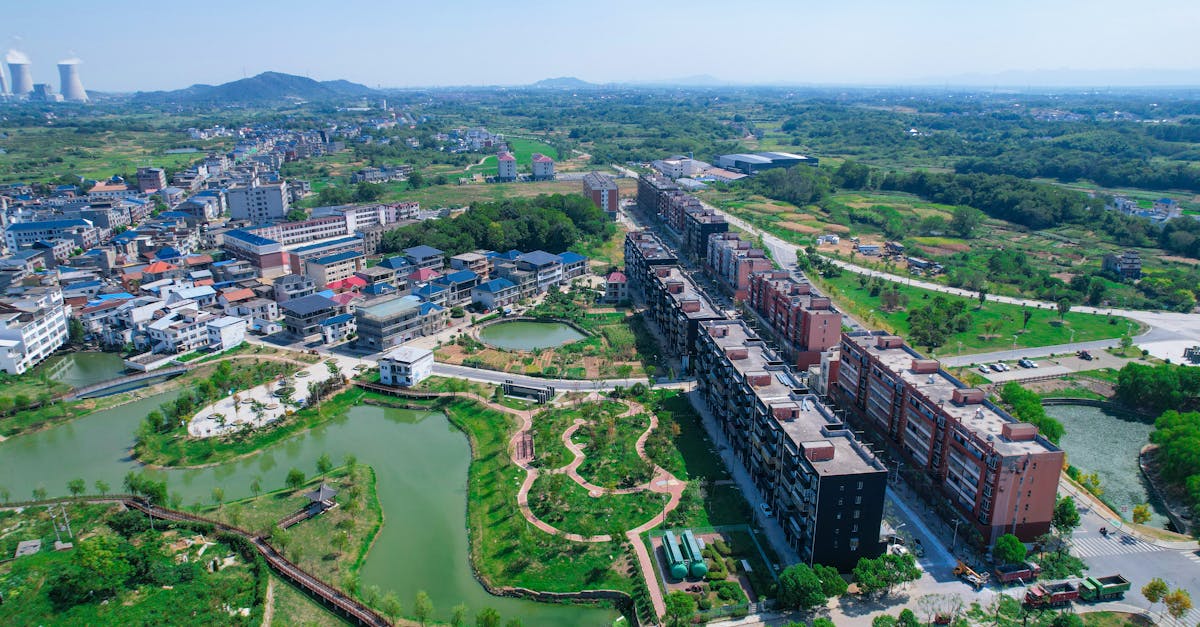
Advertisement
Historical Foundations
Urban harmony isn’t new; it has roots in ancient societies. Cities like Baghdad and Athens, famous for their cultural and intellectual diversity, effectively illustrated the essence of harmonious living. In these classic urban centers, diversity was a strength, not a division, becoming a cultivation ground for creativity, trade, and innovation.
Advertisement
The Impact of Modernization
Modernization has introduced new challenges to urban harmony. Rapid industrial growth and technological advancements have brought people from varying backgrounds to bustling cities. While this diversity is enriching, it has catalyzed challenges such as economic disparities and social segregation, factors urban harmony movements aim to alleviate.
Advertisement
Contemporary Strategies for Harmony
To tackle these challenges, urban harmony movements deploy strategies that embrace inclusivity. Community programs emphasizing intercultural dialogue, collaborative urban planning with citizen input, and policies promoting economic equity form the bedrock of these efforts. Urban agricultural initiatives, inclusionary housing, and public art projects showcase efforts to weave a harmonious urban tapestry.
Advertisement
Challenges in Pursuit of Harmony
Despite their noble goals, urban harmony movements face obstacles. Resistance from established social structures, budgetary constraints, and differing political agendas often stand in the way. Achieving unity in cities requires buy-in from various stakeholders, clear communication, and the will to implement change effectively and empathetically.
Advertisement
Looking Ahead
The future of urban harmony movements holds promise. With the proliferation of digital technology enabling greater connectivity and collaboration, cities worldwide are better equipped to handle complex needs and demands. Urban planners are increasingly attuned to the importance of harmonious development, paving the way for cities that are not just built for today but designed for a sustainable future.
Advertisement
Conclusion
In conclusion, urban harmony movements epitomize the pursuit of balance within city ecosystems. By addressing modern challenges while drawing from historical principles, these movements foster cohesive communities. They underscore the importance of collaboration, inclusivity, and foresight in creating sustainable urban spaces. As these movements evolve, they'll continue to shape cities as nexuses of harmony, drawing individuals into a shared vision of urban unity.
Advertisement