Exploring the Harmony in Urban Environments
Introduction
In the urban jungle where concrete meets creativity, harmonic cityscapes emerge, blending architecture, sound design, and community planning to create serene environments. These vast networks, born out of necessity and innovation, redefine modernity, nurturing spaces where residents can thrive amidst the bustling city life.
Advertisement
The Art of Architectural Symbiosis
In the heart of every harmonic cityscape lies architecture—an art form melding aesthetic appeal with urban functionality. Architects craft buildings that resonate with their surroundings, prioritizing eco-friendly materials and integrating natural elements, crafting spaces that blend into the environment rather than overshadow it.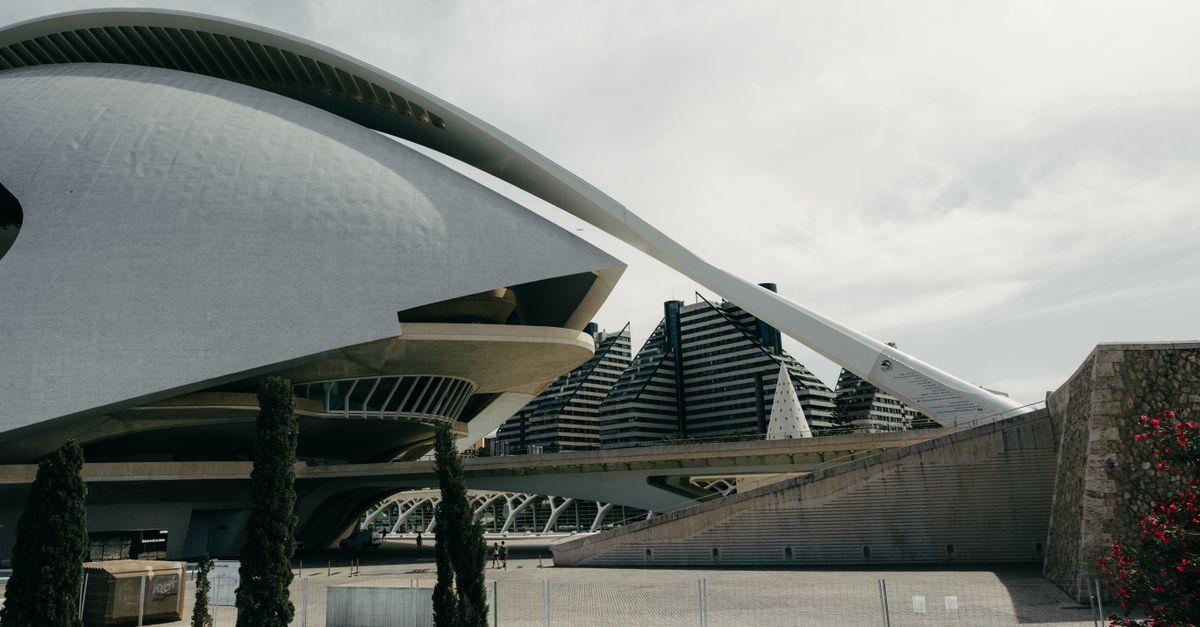
Advertisement
Sound Design: The Unseen Harmony
While city sounds often conjure images of honking cars and bustling crowds, harmonic cityscapes emphasize auditory planning. Clever sound design, through barriers, vegetation, or even music, transforms cacophony into symphony. It's the art of turning mundane noises into a soothing background rhythm enhancing everyday life.
Advertisement
Community Planning on a Human Scale
Harmonic cityscapes aren't solely about buildings and sounds; they revolve around the people who inhabit them. Community planning takes center stage, focusing on pedestrian-friendly streets, green spaces, and accessible public transport, ensuring cities are liveable, social, and supportive environments for current and future generations.
Advertisement
Connecting People and Spaces
Public spaces are the heartbeat of a harmonic cityscape. Parks, plazas, and public squares are strategically placed within the urban framework, encouraging habitation and interaction. These spaces serve as extensions of the home and workplace, providing community zones that foster connections, creativity, and collaboration.
Advertisement
Sustainability: A Core Principle
In an era of climate change, sustainability is central to crafting harmonic cityscapes. Green roofs, solar panels, and rainwater systems are integrated into design blueprints. Cities like Stockholm and Singapore lead the charge, turning urban environments into spaces that nurture rather than deplete resources, ensuring a symbiotic relationship with nature.
Advertisement
Urban Art: Bringing Culture to the Fore
Art installations, murals, and sculptures punctuate these cities, bringing vibrant culture to urban streets. More than mere decorations, these pieces narrate city histories and foster a sense of belonging. In harmonic cityscapes, art serves as a powerful medium connecting past and present while enriching the skyline.
Advertisement
The Global Shift towards Harmonic Cityscapes
Worldwide, cities strive to enhance quality of life by adopting harmonic designs. Urban planners in emerging and established metropolises embrace these principles, aiming to balance growth with life quality. From towering skyscrapers to quaint neighborhoods, each element within a harmonic cityscape plays a role in crafting a balanced, inclusive urban environment.
Advertisement
Conclusion
Harmonic cityscapes represent a confluence of design, culture, and innovation, merging these elements to create cities that are not only habitable but also harmonious. As cities grow, this approach ensures that urban spaces nurture both their inhabitants and the environment. Balancing contemporary challenges with timeless principles, harmonic cityscapes offer a blueprint for future urban development.
Advertisement