How Urban Music Shapes the Modern Metropolisview Scene
Introduction
In many cities, music is more than background noise: it is identity, economy, and social glue. Metropolisview Urban Music Entertainment captures that blend, connecting local artists, digital audiences, venues, and cultural ambition into one energetic ecosystem. This article explores how that ecosystem works and why it matters today and tomorrow.
Advertisement
A Soundtrack for City Life
Metropolisview Urban Music Entertainment reflects the restless rhythm of contemporary urban life. Its sound is shaped by crowded streets, late-night studios, public transport conversations, neighborhood celebrations, and the creative friction that appears whenever different communities share the same space. Hip-hop, R&B, grime, Afrobeats, electronic music, and hybrid local styles can coexist here without needing to stand in a neat musical queue. That variety is not a marketing trick; it mirrors the city itself, where traditions and trends constantly remix one another. The result is an entertainment culture that feels immediate, familiar, and open to reinvention.
Advertisement
The Artists Behind the Energy
At the center of Metropolisview Urban Music Entertainment are the artists who turn everyday experiences into memorable performances. Emerging singers, producers, rappers, DJs, dancers, and visual creators each contribute a different piece of the larger picture. Some build audiences through polished releases, while others gain attention with freestyles, basement sessions, street performances, or inventive online clips. Their careers rarely follow a straight line. An artist may move from a bedroom setup to a community venue, then to a festival stage, all while developing a personal sound. This pathway rewards persistence, collaboration, and a willingness to learn the business side of creativity.
Advertisement
Venues Make the Scene Real
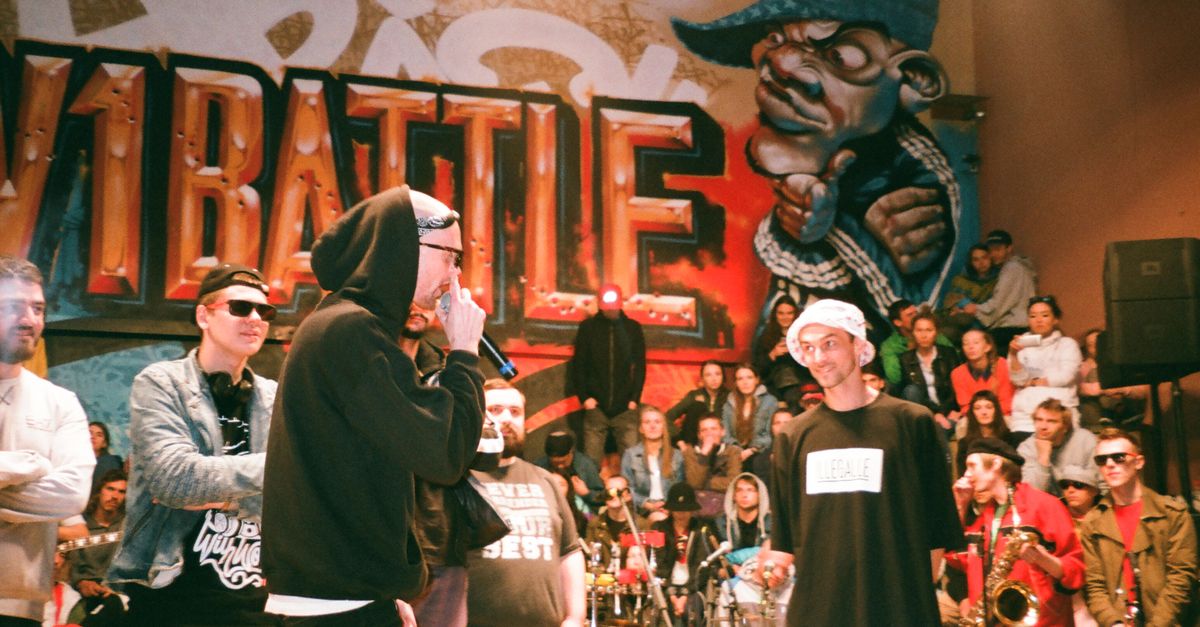
Digital platforms can introduce an artist to thousands of listeners, but physical venues give a music scene its heartbeat. Metropolisview Urban Music Entertainment depends on clubs, independent theaters, cultural centers, cafés, galleries, and unconventional spaces where audiences can gather in person. These locations do more than host shows. They create opportunities for networking, mentorship, local commerce, and spontaneous discovery. A small venue may be where a producer meets a vocalist, where a fan becomes a promoter, or where an unknown performer finds the confidence to take music seriously. In other words, the room itself becomes part of the cultural instrument.
Advertisement
Technology Changes the Route to Audiences
Streaming services, social networks, affordable recording software, and mobile video have transformed Metropolisview Urban Music Entertainment from a local conversation into a potentially global one. Artists can release music without waiting for a traditional gatekeeper, test ideas with listeners, and study which songs connect most strongly. Fans, meanwhile, participate in discovery by sharing clips, building playlists, creating dance trends, and discussing new releases in real time. Yet access does not automatically guarantee success. The digital world is crowded, algorithms are unpredictable, and constant visibility can become exhausting. Successful creators usually combine online consistency with genuine artistic identity rather than chasing every passing trend.
Advertisement
Business, Jobs, and Cultural Value
Beyond its artistic appeal, Metropolisview Urban Music Entertainment contributes to a wider urban economy. Performances generate work for sound engineers, lighting technicians, photographers, designers, security teams, venue staff, publicists, managers, and countless other specialists. Merchandise, hospitality, transport, accommodation, and food businesses can also benefit when audiences attend events. More importantly, music creates cultural value that cannot be measured only through ticket sales. It gives neighborhoods a recognizable voice, helps younger people imagine creative careers, and encourages collaboration across social and cultural boundaries. A thriving scene can make a city feel more welcoming, inventive, and confident in its own personality.
Advertisement
Inclusion Is Part of the Rhythm
A healthy music ecosystem must make room for people who have traditionally been overlooked. Metropolisview Urban Music Entertainment is strongest when women, LGBTQ+ performers, disabled artists, immigrants, and creators from working-class communities can participate visibly and safely. Inclusion requires more than a diverse poster. It can involve accessible venues, fair fees, transparent selection processes, practical mentorship, and programming that does not treat difference as decoration. Audiences notice when representation feels authentic. They also notice when it appears only during a publicity campaign, the cultural equivalent of bringing a tiny umbrella to a monsoon. Sustainable progress comes from changing structures, not simply refreshing slogans.
Advertisement
Challenges in a Fast-Moving Culture
Metropolisview Urban Music Entertainment also faces familiar pressures. Rising venue costs can reduce opportunities for independent promoters, while unstable income makes it difficult for artists to invest in equipment, rehearsal time, or professional support. Online platforms may reward frequency over quality, encouraging creators to produce constantly even when inspiration needs a quiet afternoon and a cup of tea. There are also concerns about exploitation, unequal contracts, burnout, and the rapid commercialization of styles that originated in marginalized communities. Addressing these problems requires cooperation among artists, venues, audiences, educators, funders, and technology companies. A scene survives when everyone who benefits from it helps maintain it.
Advertisement
What the Future May Sound Like
The next phase of Metropolisview Urban Music Entertainment will likely be more collaborative, flexible, and technologically blended. Live events may combine immersive visuals, interactive broadcasts, and international guest appearances, while local artists continue using familiar community spaces to build loyal audiences. Artificial intelligence and accessible production tools may accelerate experimentation, but human perspective will remain the most valuable ingredient. Listeners respond to stories, emotion, humor, tension, and recognizable experience—qualities that software can imitate but cannot fully live. The strongest future will therefore balance innovation with place, ensuring that global reach does not erase the local character that made the music meaningful.
Advertisement
Conclusion
Metropolisview Urban Music Entertainment demonstrates how urban music can connect culture, creativity, technology, and economic opportunity. Its strength comes from the relationship between artists, audiences, venues, digital platforms, and the communities that give every sound its context. With fairer systems and room for experimentation, this lively ecosystem can continue shaping the city’s identity for years to come.
Advertisement