How City Sound Shapes Hip Hop Culture and Identity
A City That Plays Itself
In every crowded city, sound is more than background noise: it is memory, argument, rhythm, and identity. Metropolisview Urban Soundscapes And Hip Hop Culture explores how streets, trains, storefronts, parks, and bedrooms become creative instruments. The story connects technology, migration, local language, and lived experience without treating urban music as a single, tidy genre.
Advertisement
Listening to the Urban Mix
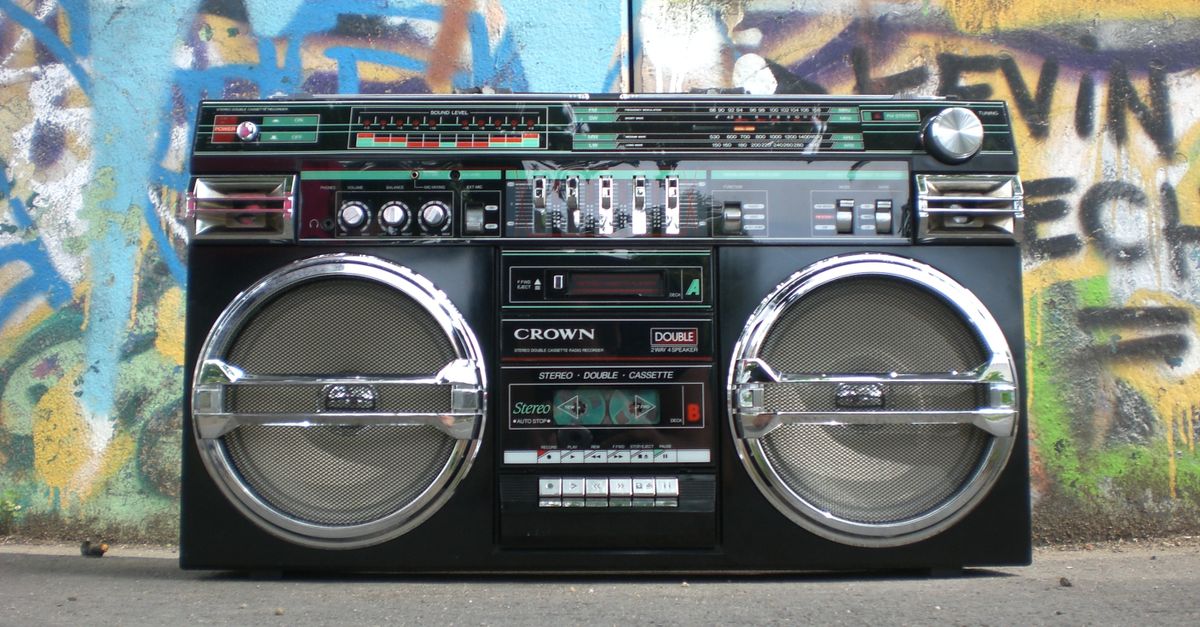
Metropolisview Urban Soundscapes And Hip Hop Culture begins with an obvious but often overlooked idea: cities already have beats. A bus braking at a corner, a basketball striking concrete, a vendor calling across a market, and a train rattling over an elevated track all create patterns. These sounds may be irregular, but irregularity is part of their charm. Hip hop artists have long treated the city as both subject and instrument, sampling its textures or translating them into drum patterns, vocal flows, and visual language. The resulting music carries a sense of place that a polished studio recording alone cannot manufacture. Even silence matters, especially the brief pause before a crowd reacts or a beat drops.
Advertisement
Neighborhoods as Creative Archives
In Metropolisview Urban Soundscapes And Hip Hop Culture, neighborhoods function as living archives. A particular siren, church bell, corner-store radio, or apartment hallway can summon an entire period of someone’s life. This local detail gives songs emotional credibility; listeners recognize not only the words but the world behind them. Neighborhood identity is never fixed, however. New residents, changing businesses, redevelopment, and shifting transit routes continually alter the acoustic map. Hip hop responds to those changes by documenting what official records often overlook: who gathers where, which accents are heard, what public spaces feel welcoming, and which pressures shape everyday choices. A verse can therefore work like a small oral history, preserving atmosphere as carefully as it preserves events.
Advertisement
Technology Turns Place Into Material
Metropolisview Urban Soundscapes And Hip Hop Culture also reflects the changing tools used to capture urban life. Early producers relied on records, tape decks, drum machines, and inventive looping techniques. Today, a phone can record a subway announcement, a street performer, or the echo beneath a bridge, while affordable software can transform that recording into a complete rhythmic foundation. Technology has lowered the cost of experimentation, allowing bedroom producers to participate in conversations once controlled by major studios. Yet equipment does not create meaning on its own. The crucial skill remains attentive listening: noticing which sounds carry tension, warmth, humor, or history, then arranging them so that a track feels rooted rather than randomly decorated.
Advertisement
Language, Flow, and Belonging
Language gives Metropolisview Urban Soundscapes And Hip Hop Culture its most immediate human dimension. Urban speech changes quickly, shaped by migration, age, class, ethnicity, online communities, and contact between languages. Rappers turn those changes into rhythm through rhyme, repetition, code-switching, slang, and deliberate shifts in pronunciation. A phrase that sounds ordinary in conversation can become striking when placed against a precise beat. This linguistic flexibility also challenges the idea that there is one correct way to sound urban. Different communities claim space through their own vocabulary and delivery, making style a form of belonging. The voice does not merely describe the neighborhood; it demonstrates who is present, who is listening, and who refuses to be simplified.
Advertisement
Public Space and Private Creation
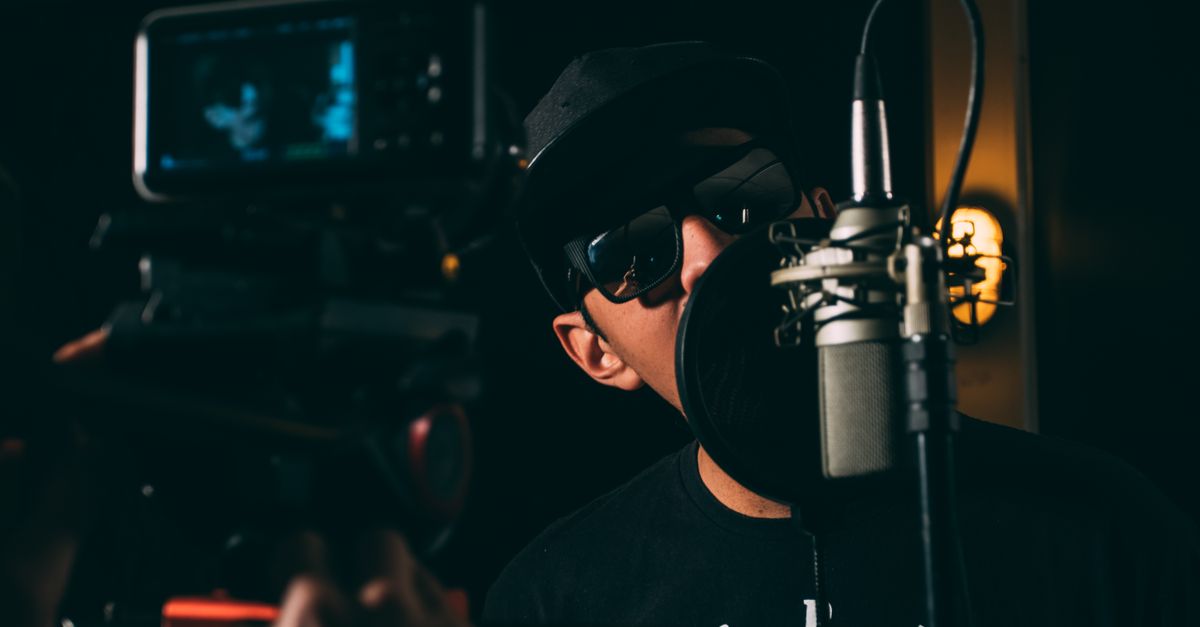
Metropolisview Urban Soundscapes And Hip Hop Culture moves between public performance and private practice. A cypher in a park, a DJ set at a community event, or dancers gathering outside a station turns shared space into a temporary stage. These moments depend on exchange: performers test ideas, audiences respond, and newcomers learn by watching. At home, meanwhile, artists write, edit, record, and revise in bedrooms, basements, and improvised studios. The contrast is productive. Public spaces provide energy and accountability, while private spaces offer concentration and control. Together they create an ecosystem in which culture grows through repetition, collaboration, friendly competition, and the occasional neighbor who has strong opinions about bass levels.
Advertisement
Memory, Change, and Cultural Tension
Metropolisview Urban Soundscapes And Hip Hop Culture is not simply a celebration of urban noise; it is also a record of conflict. Gentrification can replace familiar venues with expensive developments, while noise regulations may treat cultural expression as a nuisance rather than a community practice. At the same time, artists sometimes face pressure to turn complex neighborhoods into attractive images for outside audiences. The strongest work resists that flattening. It can acknowledge hardship without making suffering a performance, and it can celebrate local creativity without pretending that every resident experiences the city equally. Sound becomes a way to negotiate change, asking what should be preserved, who gets heard, and whose version of progress is being amplified.
Advertisement
From Local Signal to Wider Conversation
The influence of these urban soundscapes extends far beyond their original streets. A local production technique, vocal style, dance, or visual motif can travel through recordings, touring, social platforms, and personal connections. Once it moves, it may be reinterpreted by artists who bring different histories and environments to the material. That process does not erase its origin, although it can create disputes about credit, ownership, and authenticity. Such debates are evidence of cultural significance rather than proof that the music has failed. Hip hop has always been unusually good at turning circulation into creativity, absorbing new sounds while retaining a strong interest in where those sounds came from.
Advertisement
Why the Sound Still Matters
Urban sound is valuable because it makes culture tangible. It reveals how people adapt technology, language, and public space to express experiences that may otherwise remain invisible. It also reminds listeners that creativity is not limited to formal institutions; it can emerge wherever people pay attention and make something together. The city, in this sense, is less a backdrop than a collaborator. Its noise supplies friction, surprise, memory, and momentum, while artists shape those raw materials into stories that travel. The result is a cultural form that remains local in detail but expansive in reach, carrying neighborhoods into conversations far beyond their original boundaries.
Advertisement
A Living Cultural Record
The relationship between cities and hip hop is built from listening: to streets, neighbors, technology, language, and history. Urban soundscapes preserve local memory while giving artists material for experimentation and critique. They also show how culture changes when communities negotiate belonging, displacement, and creative ownership. In the end, the beat is never only a beat; it is a map of people and place.
Advertisement