How Metropolisview Shapes Urban Hip Hop Soundscapes
A City That Plays Its Own Beat
Metropolisview Urban Soundscapes Hip Hop Culture is a story of streets, studios, parks, and platforms turning everyday noise into shared expression. From bass lines under elevated trains to carefully layered home recordings, the city’s sound reveals who belongs, what changes, and how creativity can make a neighborhood feel like home.
Advertisement
Where the Rhythm Begins
Metropolisview Urban Soundscapes Hip Hop Culture begins with listening. A city is never truly quiet: buses sigh at stops, basketballs bounce against concrete, vendors call across sidewalks, and construction crews provide accidental percussion. Hip hop artists transform these ordinary noises into atmosphere, using the city not merely as a setting but as an instrument. The resulting music carries the texture of local life, whether that texture is glossy, gritty, hurried, or wonderfully chaotic.
Advertisement
Neighborhoods as Musical Archives
Different districts contribute distinct moods and memories. A waterfront may inspire spacious, echoing production, while dense apartment blocks can produce tighter rhythms and sharper lyrical observations. In this way, Metropolisview Urban Soundscapes Hip Hop Culture becomes a musical archive of neighborhoods that are often changing faster than anyone can document. Songs preserve corner stores, community centers, late-night train rides, and familiar voices, giving listeners a way to remember places that redevelopment might otherwise erase.
Advertisement
Language With a Local Accent
Language is another powerful marker of place. Rappers borrow from family conversations, school corridors, immigrant households, online slang, and local humor. Their vocabulary can shift from block to block, sometimes within the same city. Metropolisview Urban Soundscapes Hip Hop Culture thrives on this linguistic variety because authenticity does not require sounding identical; it requires sounding recognizably connected to lived experience. A clever phrase can function like a street sign, telling listeners exactly where an artist’s imagination is rooted.
Advertisement
The Studio Is Everywhere
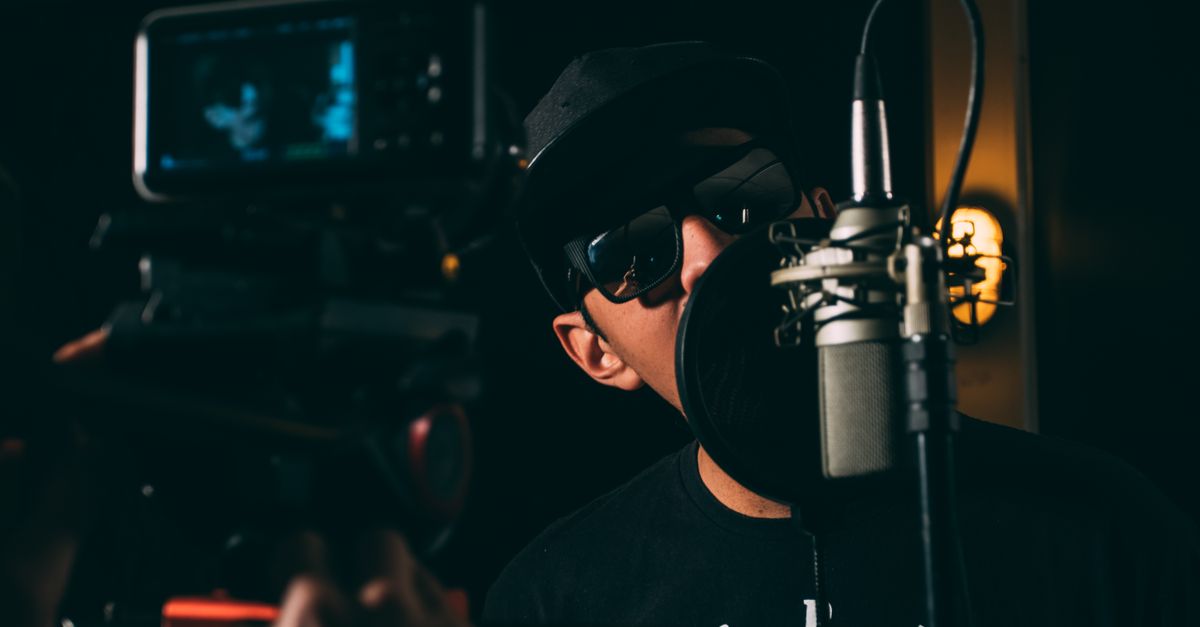
Modern technology has widened the city’s creative map. Affordable microphones, laptop software, sample libraries, and mobile recording apps allow artists to build professional-sounding tracks in bedrooms, basements, libraries, and shared workspaces. Metropolisview Urban Soundscapes Hip Hop Culture therefore exists beyond established studios and major labels. A producer can capture a subway rhythm in the morning, shape a beat in the afternoon, and share it globally before dinner—assuming the Wi-Fi behaves, which remains one of civilization’s oldest unresolved plotlines.
Advertisement
Community Before Competition
Although hip hop is often presented through individual stars, its foundations are collective. DJs, emcees, dancers, graffiti artists, beat makers, photographers, promoters, and neighborhood mentors all contribute to a functioning scene. Open mics and informal cyphers create spaces where newcomers learn by participating rather than waiting for permission. Within Metropolisview Urban Soundscapes Hip Hop Culture, collaboration turns public spaces into classrooms, and friendly rivalry encourages artists to refine their skills without losing their connection to community.
Advertisement
Identity, Pressure, and Pride
Urban hip hop can also serve as a response to pressure. Artists may address housing costs, displacement, unequal opportunity, policing, education, family expectations, or the emotional strain of constant change. These subjects are not included merely to make songs sound serious; they reflect the conditions shaping everyday decisions. At the same time, the music celebrates humor, ambition, fashion, friendship, and resilience. The combination matters because city life is rarely one emotion at a time. It is frustration sharing a seat with hope.
Advertisement
From Local Signal to Global Language
Digital platforms have made local sounds easier to discover, remix, and reinterpret. A beat created in Metropolisview can reach listeners on other continents, while international influences return through samples, dance trends, and collaborative releases. Metropolisview Urban Soundscapes Hip Hop Culture is consequently both rooted and mobile. Its identity depends on specific streets and voices, yet it remains open to outside ideas. That balance helps the culture evolve without becoming detached from the people and places that gave it meaning.
Advertisement
Protecting the Sound of Change
The future of the scene will depend partly on access. Affordable rehearsal rooms, youth programs, public performance spaces, and community archives can help emerging artists develop without requiring expensive equipment or industry connections. Preservation also matters: recording oral histories, documenting local events, and supporting independent venues ensures that cultural memory does not vanish when a building changes hands. Metropolisview Urban Soundscapes Hip Hop Culture is strongest when growth expands participation rather than simply increasing visibility for a fortunate few.
Advertisement
A Living Urban Expression
Ultimately, Metropolisview Urban Soundscapes Hip Hop Culture shows how cities speak through the people who reinterpret them. Its rhythms capture movement, its language preserves identity, and its communities turn shared experience into art. The culture remains lively because it welcomes experimentation while honoring local memory. More than a genre, it is an ongoing conversation between place, technology, and the human urge to make meaning from noise.
Advertisement