The Soulful Pulse of Urban Music Culture
Urban Beats: A Brief Introduction
Urban Music Culture is like a neon-lit cityscape at night, pulsating with dynamic, vibrant energy. It acts as both a reflection of city life's heartbeat and a platform for artistic expressions, weaving complex narratives through rhythm and sound.
Advertisement

What Defines Urban Music Culture?
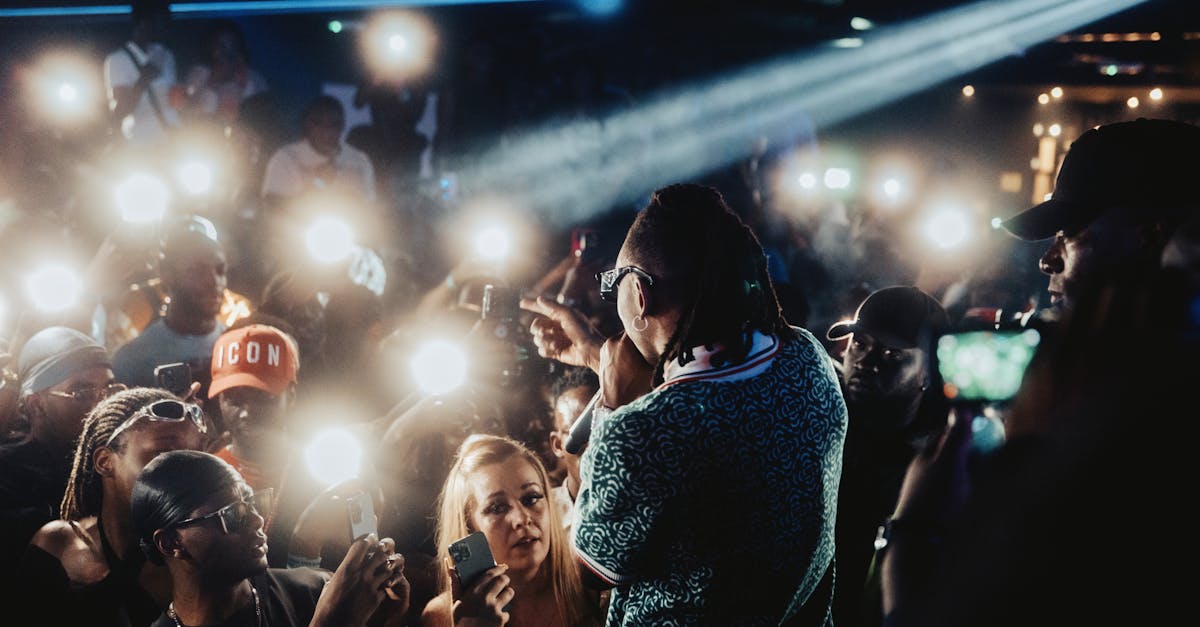
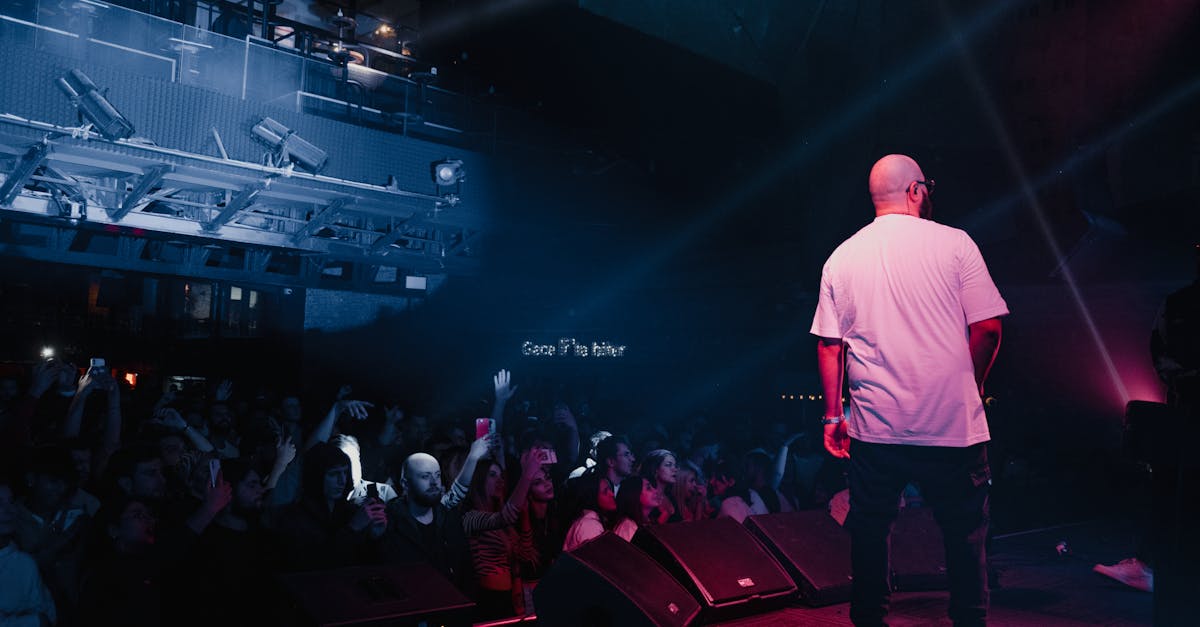
Urban music culture transcends musical genres, capturing the essence of contemporary city life. With deep roots in African and Afro-American traditions, it encompasses hip-hop, R&B, and other genres, relying on authentic storytelling often derived from personal experiences. It's a realm where musical expression meets social commentary, affecting change and shaping identities.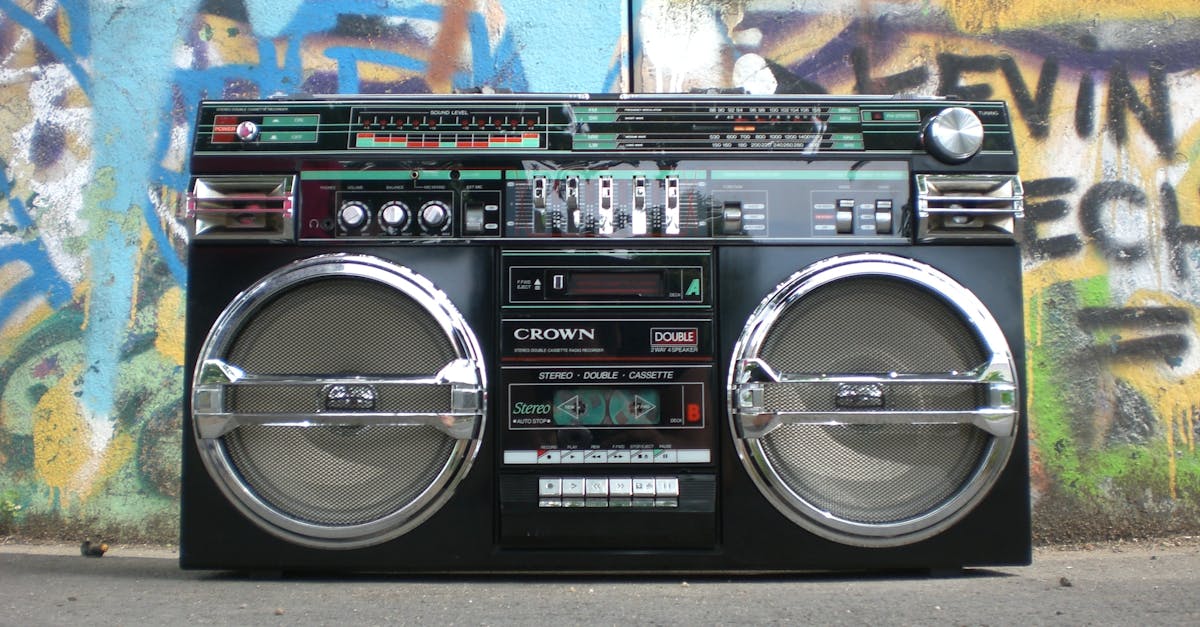
Advertisement
A Historical Journey Through Time
The birth of urban music culture can be traced back to the soulful sounds of the African diaspora. As vibrant communities began to form in cities, genres like jazz and blues came into being. Artists like Louis Armstrong and Billie Holiday not only shaped the sound of their era but laid the foundation for future movements.
Advertisement
The Evolution of Hip-Hop and R&B
Hip-hop, a defining element of urban music culture, emerged in the Bronx during the 1970s. With artists like Grandmaster Flash and the Furious Five leading the way, it became a voice for the voiceless. R&B, meanwhile, saw the rise of visionaries like Marvin Gaye and Aretha Franklin, merging elements of gospel with contemporary themes.
Advertisement
Urban Music's Influence on Fashion and Art
Urban music culture extends far beyond just vibrant tunes, significantly influencing fashion and art. Trends like streetwear and graffiti became tangible reflections of this genre, blending creativity with identity. The connection between music and urban aesthetics remains inseparable, driving innovative styles among younger generations.
Advertisement
Impact on Society and Its Rebellious Spirit
Often seen as a rebellious force, urban music culture challenges societal norms with its unapologetic expressions. Whether addressing social justice issues, promoting empowerment, or voicing concerns about systemic inequalities, it leaves an indelible mark on listeners and inspires activism among its audience.
Advertisement
Global Reach and Cultural Exchange
What makes urban music culture unique is its ability to transcend borders, creating a global community united by rhythm. From Tokyo's bustling underground scenes to Paris's melodic streets, urban music has become a universal language, embracing diversity while maintaining its roots in personal experience.
Advertisement
The Road Ahead: What's Next for Urban Music?
As urban music culture continues to evolve, its adaptive ability ensures it remains a vital force. Embracing digital technologies and new platforms, such as streaming, it reaches vast audiences while maintaining authenticity. The future shines bright for continued innovation, with endless potential for new genres to emerge.
Advertisement
Conclusion: The Everlasting Beat
Urban music culture is more than just sound—it's a phenomenon that reflects society through art. Its rich history and dynamic presence continue to shape our world, providing solace, inspiration, and a voice for many. As long as there are stories to tell, the rhythmic reverie of urban music culture will thrive, forever nourishing the soul of the city.
Advertisement