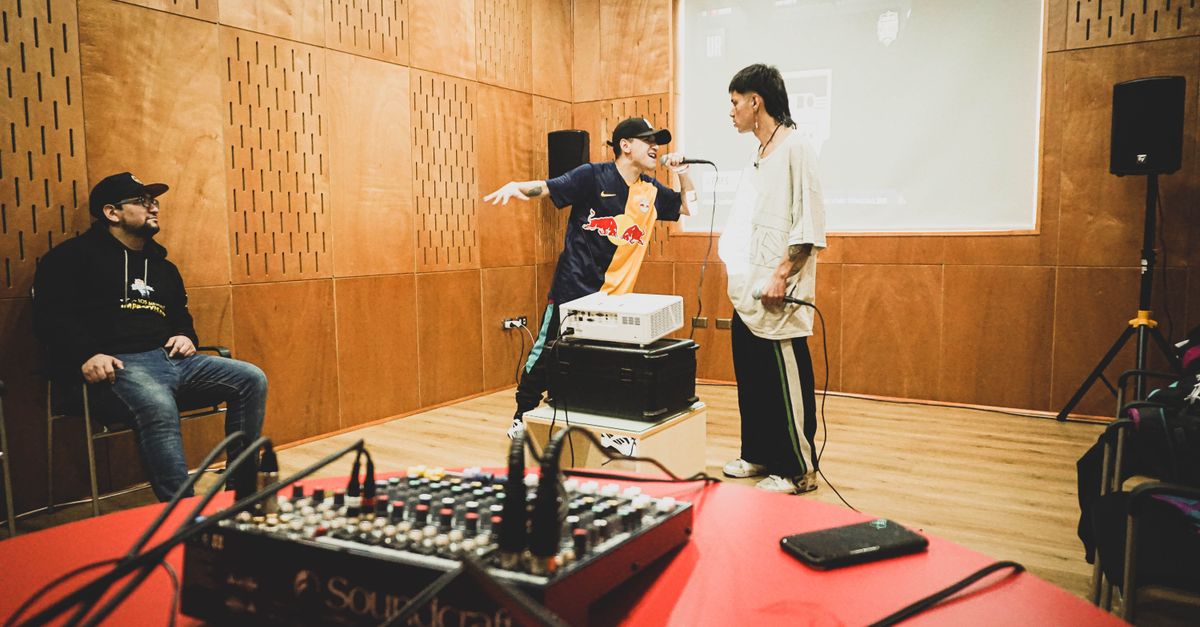
Unveiling Urban Rhythmic Dynamics
Introduction
Urban areas pulse with life, orchestrating a symphony of activities and interactions. This article delves into the rhythmic dynamics shaping cities, from the beat of traffic lights to the flow of pedestrians. By uncovering these patterns, we can better understand the intricate dance within urban landscapes.
Advertisement
The Pulse of Mobility
Picture a bustling urban street. Cars and buses flow in regulated waves, orchestrated by the unseen maestros of traffic control systems. The rhythmic change of traffic lights ensures a concert of mobility unfolds smoothly. This choreography, often taken for granted, is a crucial element of urban rhythmic dynamics.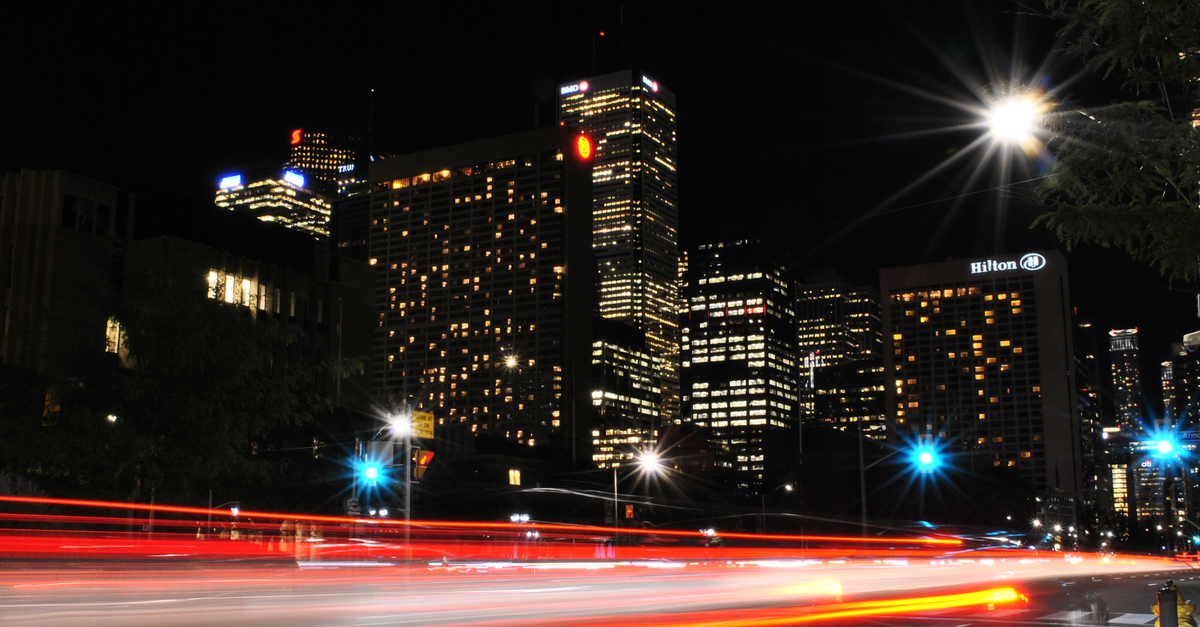
Advertisement
Pedestrian Flux and Vibrancy
As vehicles glide along asphalt rivers, pedestrians add a whole new tempo to city life. Crosswalks become stages where masses pause, then surge forth, animated by the rhythmic signals beneath their feet. This human ebb and flow paints the vibrant movements that breathe life into the city, harmonizing in urban rhythmic dynamics.
Advertisement
Public Transport: Urban Lifeline
Subways and buses form the veins and arteries of urban environments, each stop a note in the city's ongoing composition. The intervals between departures and arrivals create an underlying rhythm that dictates citizen activity. Recognizing this pattern enhances our comprehension of urban rhythmic dynamics and its effects on daily life.
Advertisement
Cultural Beat: Festivals and Events
Integrating cultural occurrences, like festivals or parades, adds spontaneous beats to the city's rhythm. These events interject momentary crescendos that disrupt daily patterns, reflecting the community's shared experiences and diversifying urban rhythmic dynamics with bursts of color and sound.
Advertisement
Commercial Cadence
The cycle of commerce introduces another layer to urban rhythm. Shop hours, market days, and business transactions form a predictable tempo. Whether it's the rush hour in a business district or the leisurely pace of a weekend market, commerce orchestrates a dance of supply and demand within urban rhythmic dynamics.
Advertisement
Silent Symphony: Nighttime Respite
When day succumbs to night, cities experience a slower tempo, akin to an interlude. Streetlights cast a gentle glow, lullabies of urban life subtly playing. Even in quiet repose, these nuanced layers of rhythm persist, offering a stark contrast yet seamless blend with the daytime hustle in urban rhythmic dynamics.
Advertisement
Conclusion
Cities breathe with an underlying rhythm that catalyzes every whispered alleyway interaction and bustling street corner negotiation. By unveiling these urban rhythmic dynamics, we gain insight into the harmonic convergence of elements that affect everything from transportation to cultural exchanges. The tapestry of sounds becomes a testament to our adaptability and resilience, orchestrating life's endless symphony.
Advertisement