How Urban Beats Turn City Streets Into Living Stories
A City Heard Through Rhythm
Metropolisview Urban Hip Hop City Beats captures the pulse of a city that never truly sits still. It blends booming drums, sharp lyricism, streetwise humor, and local history into a musical map of neighborhoods, ambitions, and late-night conversations. The result is urban storytelling with sneakers on and a grin.
Advertisement
More Than Music in Motion
At its heart, Metropolisview Urban Hip Hop City Beats is a portrait of movement. Trains rattle, traffic hisses, basketballs thump against concrete, and voices bounce between apartment windows. These everyday sounds become creative ingredients, giving the music a sense of place that polished studio pop can sometimes lose. The city is not merely a backdrop; it behaves like another musician, contributing tempo, tension, and surprise. A quiet morning can inspire a reflective verse, while a crowded intersection may suggest a restless, syncopated beat.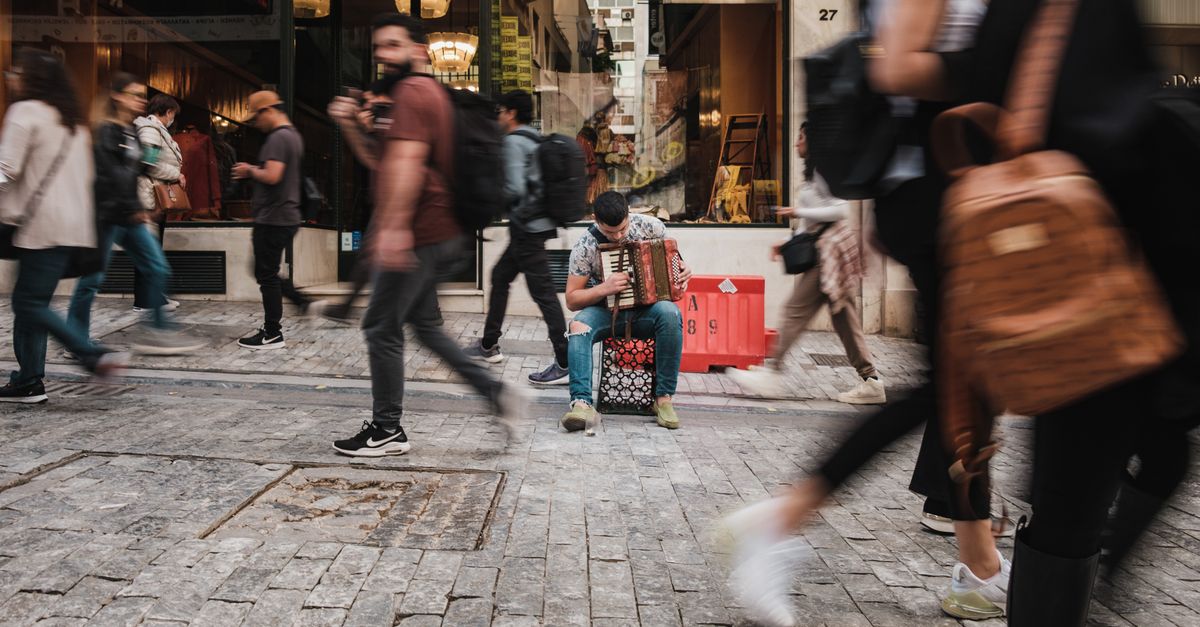
Advertisement
The Language of Local Life
The language of Metropolisview Urban Hip Hop City Beats works because it feels specific without becoming inaccessible. Slang, neighborhood references, playful boasts, and observations about work or family create an intimate conversation between performer and listener. Even when the vocabulary is unfamiliar, emotion supplies the subtitles. Confidence, frustration, pride, loneliness, and hope travel easily across borders. Good hip-hop does not require every listener to know every street; it simply makes the street feel human.
Advertisement
Roots, Reinvention, and Identity
Metropolisview Urban Hip Hop City Beats also reflects hip-hop’s history of reinvention. The culture grew through DJs, MCs, dancers, and visual artists who transformed limited resources into expressive tools. A breakbeat could turn an ordinary record into a fresh foundation, while a microphone could make a local gathering feel like a public forum. That inventive spirit remains central today. New artists borrow from funk, soul, reggae, electronic music, jazz, and regional traditions, then reshape those influences into sounds that belong to the present.
Advertisement
The Architecture of the Beat
Production gives Metropolisview Urban Hip Hop City Beats its physical force. The kick drum supplies the floor, the snare adds a sharp handclap of momentum, and the bass fills the room like underground machinery. Producers may layer dusty samples with crisp digital percussion, creating a conversation between memory and modernity. Small details matter: a siren tucked behind a chorus, a chopped vocal syllable, or a moment of silence before the beat returns. These choices make the track feel built rather than merely recorded.
Advertisement
Visual Culture on Every Wall
Metropolisview Urban Hip Hop City Beats extends beyond headphones into murals, clothing, photography, video, and dance. Graffiti turns blank surfaces into declarations, while fashion communicates affiliation, creativity, and a willingness to ignore boring instructions. Music videos often use rooftops, corner shops, transit platforms, and basketball courts as visual punctuation. Together, these forms create a recognizable urban vocabulary. The aesthetic is rarely about decoration alone; it records who is visible, who is heard, and how communities represent themselves when official narratives leave them out.
Advertisement
Dance, Participation, and Belonging
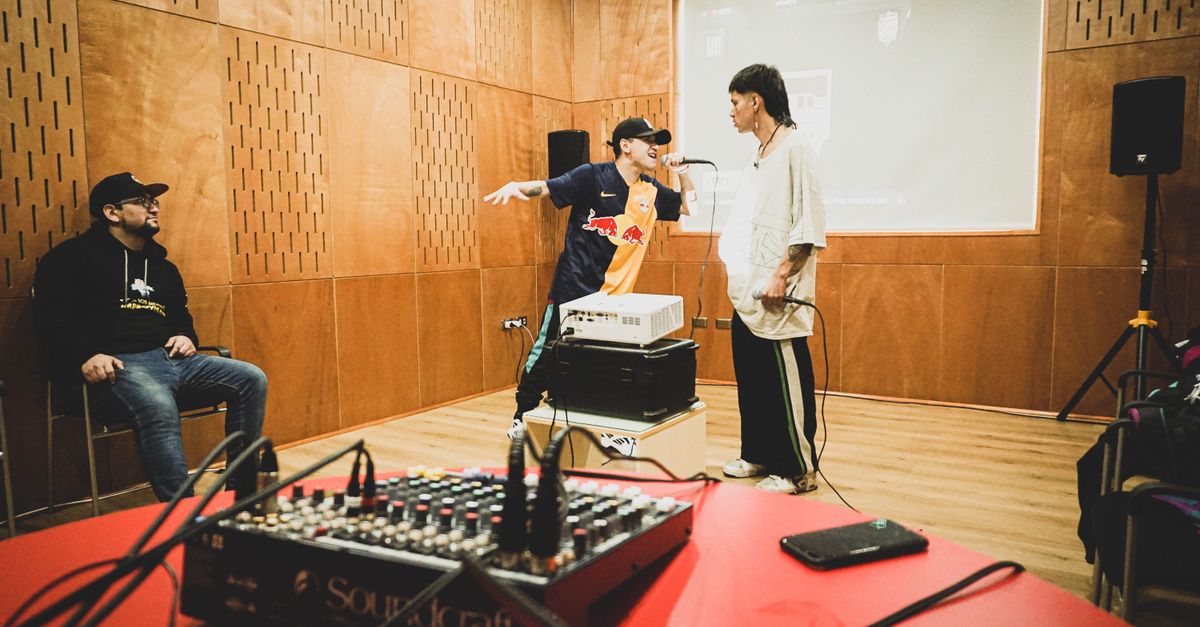
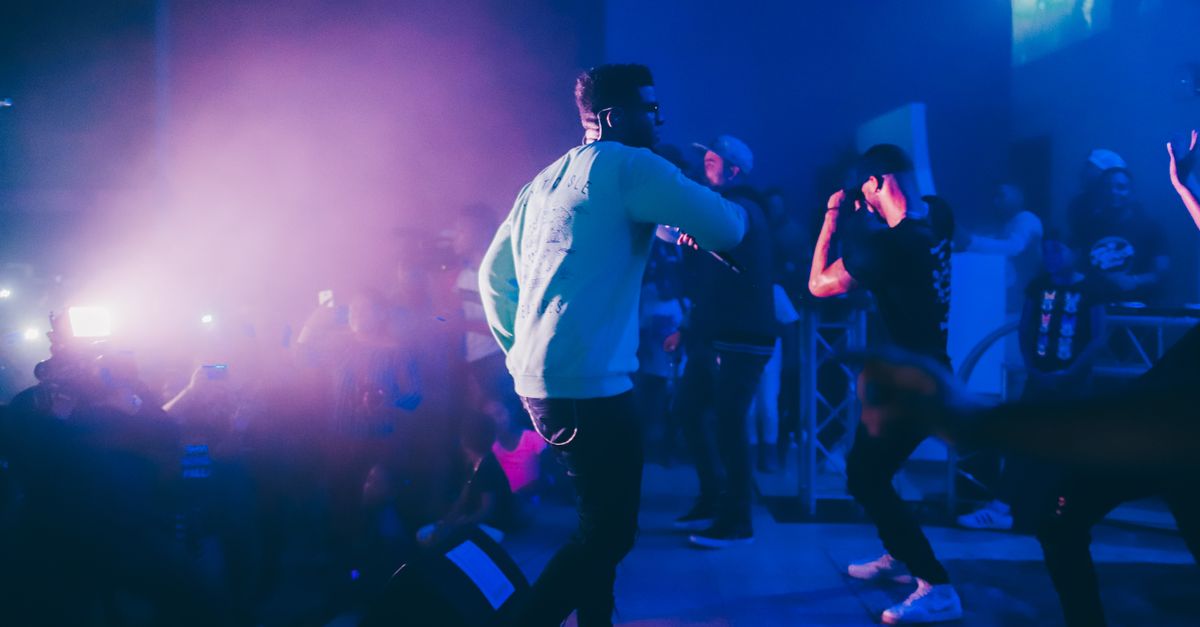
One reason Metropolisview Urban Hip Hop City Beats feels so alive is its invitation to participate. A listener may nod along, trade lyrics with friends, learn a dance, remix a track, or perform at a neighborhood event. The culture rewards personality rather than perfect uniformity, allowing different bodies and backgrounds to find their own rhythm. Cyphers, open mics, block parties, and online communities turn spectators into contributors. In that exchange, music becomes social architecture: it creates temporary rooms where strangers can share energy without needing matching résumés.
Advertisement
The Business Behind the Expression
Metropolisview Urban Hip Hop City Beats also exists within a complicated commercial system. Streaming platforms can help independent artists reach audiences far beyond their home neighborhoods, yet they can make attention feel fleeting and income uncertain. Social media offers direct connection but encourages constant performance. Merchandise, live shows, licensing, and collaborations provide important revenue, though each comes with creative and financial pressures. The strongest artists often balance authenticity with strategy, treating visibility as a tool rather than allowing algorithms to become their artistic directors.
Advertisement
Technology Changes the Skyline
Digital tools are reshaping Metropolisview Urban Hip Hop City Beats at every stage. Affordable software allows one person to write, record, mix, design artwork, and release a song from a bedroom or shared workspace. Artificial intelligence, virtual performances, and immersive audio may expand the possibilities further, although they also raise questions about originality, ownership, and the value of human experience. Technology can make production easier, but it cannot automatically supply a meaningful point of view. A flawless beat still needs something worth saying.
Advertisement
A Sound That Keeps Evolving
Ultimately, Metropolisview Urban Hip Hop City Beats endures because it treats change as part of the tradition. Its rhythms absorb new technologies, its language responds to social shifts, and its artists continue turning ordinary surroundings into cultural evidence. The form remains local in detail but expansive in feeling. It can sound tough, funny, vulnerable, glamorous, or deliberately rough around the edges, sometimes within the same verse.
Advertisement
Conclusion
Metropolisview Urban Hip Hop City Beats transforms urban experience into rhythm, language, imagery, and collective participation. Its power comes from connecting personal stories with the larger energy of neighborhoods and changing technologies. More than a musical style, it is a living record of how cities speak, move, remember, and reinvent themselves.
Advertisement