How City Streets Turn Everyday Motion Into Hip Hop
A Soundtrack Made From Ordinary Moments
City life has a soundtrack: train brakes squeal, sneakers tap, vendors call, and conversations overlap at impossible speed. Urban Hip Hop Rhythms Of City Life captures that restless mix, turning ordinary commutes, crowded corners, and neighborhood memories into beats, movement, and stories that make the metropolis feel both enormous and surprisingly intimate.
Advertisement
Where Noise Becomes Musical Material
Urban Hip Hop Rhythms Of City Life begins with attentive listening. A producer may hear a subway door slam as a snare, a basketball striking pavement as a bass pulse, or a distant siren as an accidental melody. None of these sounds is polished in the traditional sense, yet their rough edges carry information about place. They reveal a city’s tempo: hurried in the morning, impatient at rush hour, and strangely reflective after midnight. Hip hop turns this sonic clutter into structure, proving that music does not always need a quiet room. Sometimes it needs traffic, thin walls, rattling pipes, and a neighbor practicing the same four bars for three hours.
Advertisement
Movement, Dance, and the Geography of Style
Urban Hip Hop Rhythms Of City Life also lives in the body. Breakers transform sidewalks, stations, and community halls into temporary stages, using footwork and freezes to answer the beat with physical wit. Every move negotiates space, from a cramped pavement square to a wide recreation-center floor. Dance styles often carry geographic fingerprints: a particular bounce, gesture, or timing can suggest where a dancer learned and which crews shaped their vocabulary. This exchange is rarely formal. People watch, imitate, adapt, and pass techniques along, creating a living archive that travels faster than any textbook. The city becomes both classroom and dance partner, occasionally stepping on toes.
Advertisement
Language With Local Coordinates
Urban Hip Hop Rhythms Of City Life depends on language as much as percussion. Rappers map neighborhoods through slang, accents, references, jokes, and carefully chosen details that outsiders might miss. A line about a corner store, elevated train, schoolyard, or apartment block can function like a pin on a mental map. Wordplay brings humor to hardship, while storytelling preserves experiences that official histories often overlook. Local expressions may change quickly, but their purpose remains steady: they establish belonging, challenge stereotypes, and announce a distinct point of view. Even silence matters. A pause before a punchline can say as much about confidence as the words that follow it.
Advertisement
Community Before Commercial Success
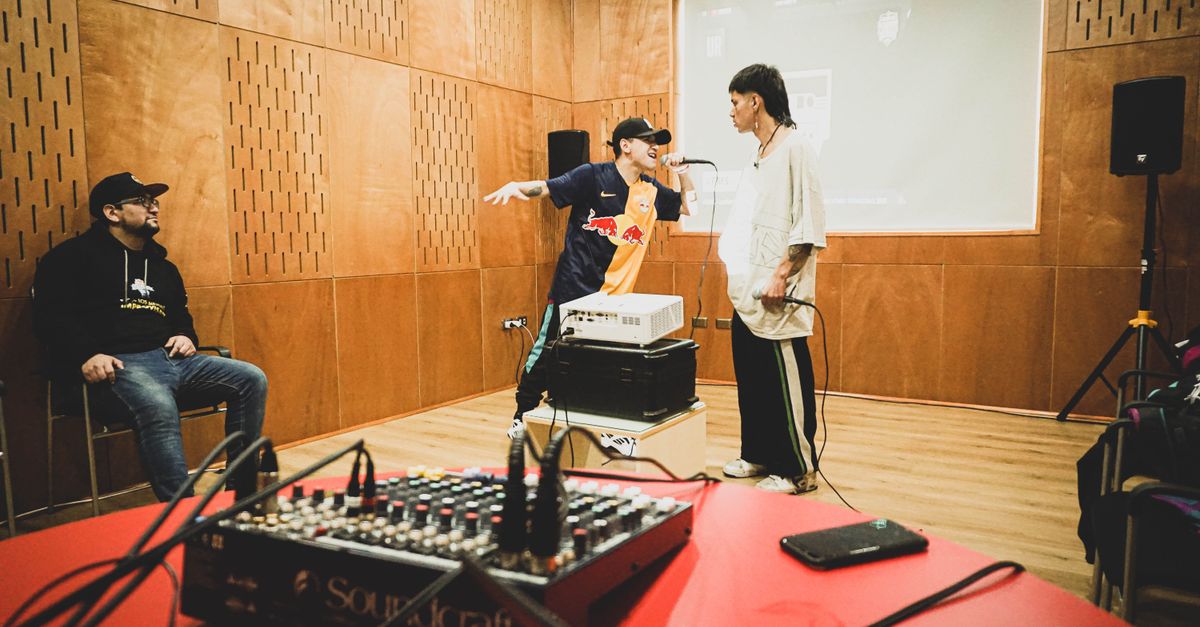
Urban Hip Hop Rhythms Of City Life grew through community spaces long before it became a global industry. Parks, basements, youth centers, block parties, and independent record shops provided equipment, audiences, and encouragement. These places allowed beginners to experiment without needing permission from a major label or a carefully designed brand strategy. DJs, emcees, dancers, and visual artists supported one another because each element strengthened the whole culture. That cooperative spirit still appears in open-mic nights, neighborhood festivals, beat battles, and local radio shows. Commercial success can widen an artist’s reach, but community gives the work its first pulse and its most honest critics.
Advertisement
Technology Changes the Block
Urban Hip Hop Rhythms Of City Life now travels through phones, laptops, streaming platforms, and inexpensive recording software. A bedroom can become a studio, while a short video can introduce a local dance to viewers thousands of miles away. Technology has lowered many barriers, especially for artists who once needed costly equipment or industry connections. It has also created new pressures: constant posting, unpredictable algorithms, and the temptation to shape every song around a potential clip. Still, digital tools can preserve spontaneity. A producer can sample a passing conversation, collaborate across continents, or release a track before the city’s latest rumor becomes yesterday’s news.
Advertisement
A Mirror of Inequality and Resilience
Urban Hip Hop Rhythms Of City Life is not merely a celebration of energy; it is also a record of unequal urban experience. Lyrics may address housing costs, policing, underfunded schools, migration, racism, unemployment, or the emotional toll of crowded living. Yet the music rarely reduces people to problems. It makes room for ambition, friendship, fashion, romance, comedy, and the stubborn joy of showing up. That combination gives hip hop its unusual emotional range. A celebratory chorus can sit beside a painful verse without contradiction, because real neighborhoods contain both celebration and struggle. The beat keeps moving, even when the circumstances are anything but simple.
Advertisement
Why the Rhythm Keeps Evolving
Urban Hip Hop Rhythms Of City Life remains adaptable because cities themselves are unfinished projects. New arrivals bring different instruments, languages, rhythms, and memories, while longtime residents reinterpret them through local traditions. The result may blend rap with house, jazz, grime, dancehall, electronic music, or regional folk styles. This constant exchange prevents the culture from becoming a museum exhibit. It also explains why arguments about authenticity never quite settle the matter. A style can honor its origins while changing dramatically in new hands. The important question is not whether the music stays still, but whether it continues to speak truthfully about the people making and hearing it.
Advertisement
The City as an Unfinished Composition
Taken together, these elements show why the metropolis feels less like a backdrop and more like an active collaborator. Its architecture shapes echoes, its schedules shape tempo, and its social tensions shape subject matter. Artists listen to the streets, borrow from one another, and transform daily friction into creative possibility. The result is a culture that can be intimate enough for a single block yet expansive enough to cross oceans. Its greatest strength is that it treats ordinary experience as worthy of rhythm, language, and attention.
Advertisement
Conclusion
The music of city life turns noise, movement, memory, and struggle into a shared artistic language. It connects neighborhoods through dance, storytelling, technology, and community practice while continuing to evolve with every generation. More than a reflection of urban living, it is an active way of interpreting and reshaping it.
Advertisement