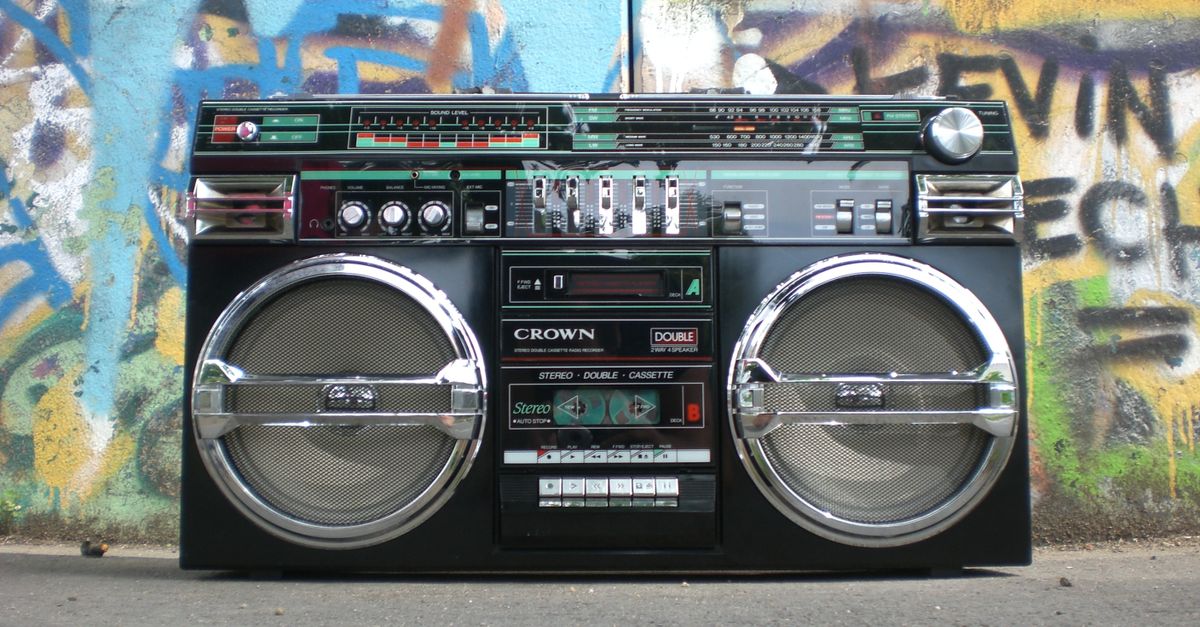
Unifying Notes: The Beat of Urban Harmony
Introduction
Urban Harmony reflects a city's pulse, blending history and innovation to create a complex rhythm culture. It's the musical score daily life dances to, resonating through concrete jungles reflecting cultural diversity. This rhythm, rich in contrast, thrives amidst urban challenges, illustrating how sound landscapes shape community identities and foster connection.
Advertisement
A Symphony of Everyday Life
Imagine cityscapes as sprawling orchestras where architectural structures are silent instruments brought to life by people's routines. Urban Harmony, at its core, captures this essence—creating rhythm culture where sneakers' shuffles on pavement, conversations at corner coffee shops, and distant sirens collectively compose an everyday symphony.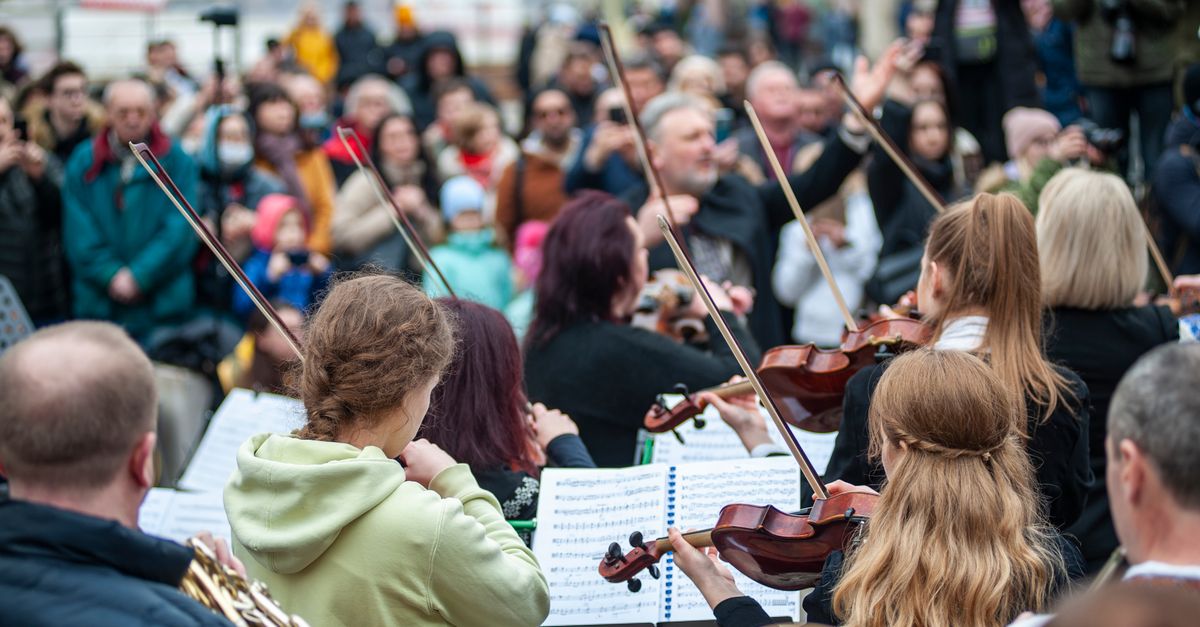
Advertisement
The Street: Stage for Rhythmic Expression
City streets buzz with rhythm culture, acting as stages where people express creativity through music and performances. Street musicians' tunes not only delight but also form a vital connection between strangers. Here, rhythm morphs into a universal language, transcending barriers, uniting diverse communities through harmonious urban interaction.
Advertisement
Blending Old and New
Urban Harmony seamlessly integrates the past and the present. Modern skyscrapers may tower over historical sites, yet both contribute to a melodic junction. Cultural festivals honoring traditional music genres embrace contemporary beats, resulting in dynamic rhythmic collaborations. This blend keeps the rhythm culture alive, breathing new energy into streets and hearts alike.
Advertisement
Rhythm's Role in Social Connectivity
Beyond entertainment, Urban Harmony plays a pivotal role in societal cohesion. Rhythm culture encourages social interactions, whether through dance gatherings in public squares or spontaneous sing-alongs on crowded subways. Shared musical experiences build bridges among different ethnicities, fostering understanding and empathy at an emotional tempo.
Advertisement
Challenges and Triumphs
As cohesively as rhythm culture integrates into urban life, it also faces challenges. Noise ordinances, gentrification, and lack of public spaces sometimes threaten spontaneous musical expression. Nonetheless, triumphs abound as communities advocate for performance spaces and urban policies that nurture vibrancy, championing rhythm culture's rightful place within city bounds.
Advertisement
Urban Harmony's Global Influence
Urban Harmony's alluring beat travels beyond local borders, influencing global rhythm culture. Cities worldwide learn from one another, adapting innovative rhythmic movements that respect local traditions while embracing global trends. This cultural exchange enriches urban identity, allowing cities to become melting pots of diverse rhythmic influences.
Advertisement
Conclusion
Urban Harmony is more than just sound—it's an integral rhythm culture that cements urban identity amid bustling daily life. By blending history, creativity, and inclusivity, it crafts an artistic narrative infused across cityscapes worldwide. As cities grow, Urban Harmony's beat persists, resonating in unison to unite communities through a shared cultural embrace.
Advertisement