How Cities Turn Hip Hop Into Living Urban Sound Maps
A City With a Beat
Urban Hip Hop City Soundscapes turns the modern metropolis into an instrument, where bass rattles windows, samples preserve local memory, and street-level stories travel farther than a subway line. From block parties to polished studios, the genre maps how neighborhoods invent identity through rhythm, texture, and fearless imagination.
Advertisement
Where the Sound Began
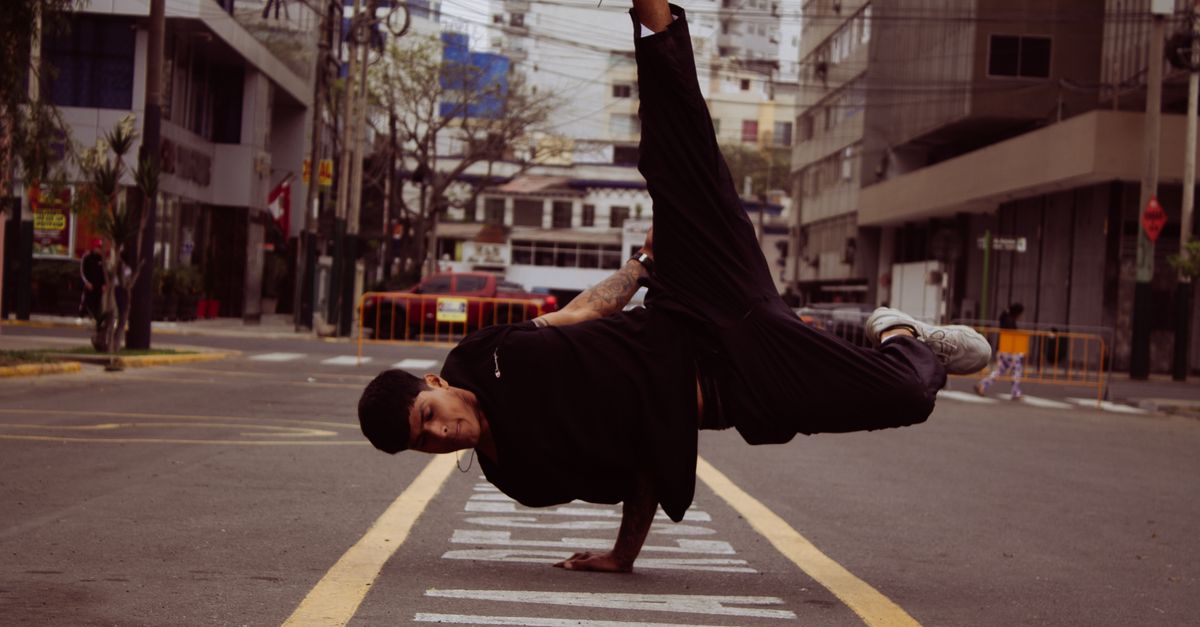
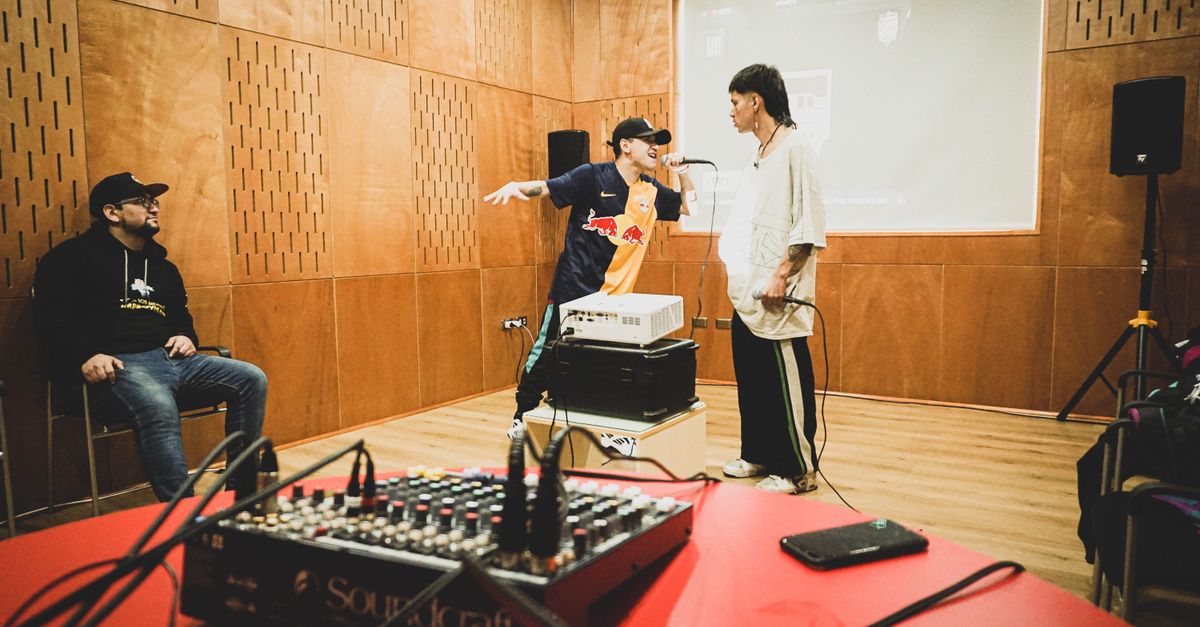
Urban Hip Hop City Soundscapes emerged from necessity as much as creativity. In neighborhoods where formal venues, expensive instruments, and recording equipment were scarce, resourceful artists built culture from turntables, microphones, cardboard, and whatever electricity could be borrowed. A park, basement, or apartment hallway could become a stage. The earliest parties transformed overlooked spaces into social centers, giving residents a place to dance, compete, flirt, argue, and feel visible. The music’s rough edges were not flaws waiting for studio polish; they were evidence of invention under pressure. Every breakbeat carried the energy of a community refusing to remain background scenery.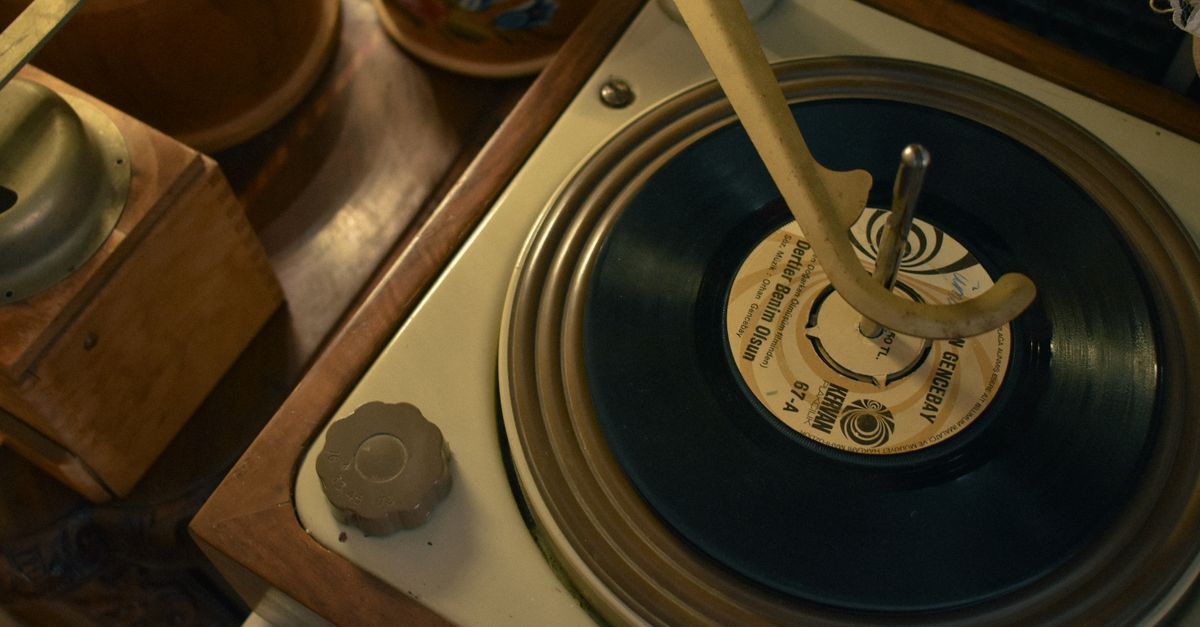
Advertisement
Rhythm as Urban Architecture
Urban Hip Hop City Soundscapes treats rhythm like a form of architecture. A producer can arrange a track like a neighborhood: a heavy kick drum becomes the foundation, a snare marks the intersections, and layered samples add balconies, alleyways, storefronts, and skyline reflections. Repetition creates familiarity, while sudden changes resemble the surprises of city travel—a siren, a shouted greeting, or a train grinding around a bend. This structure explains why the music can feel both immediate and expansive. It gives listeners a beat they can inhabit, not merely a melody they can admire from a safe distance.
Advertisement
The Art of Sonic Detail
Urban Hip Hop City Soundscapes depends on the drama of small details. Producers may isolate a dusty drum hit, stretch a vocal syllable, or turn the hum of machinery into an atmospheric loop. Such choices make familiar urban noises newly noticeable. A passing car is no longer just traffic; it becomes a moving percussion section. A distant conversation becomes texture. Even silence has a role, creating space for the next line to land with theatrical precision. This attention to detail helps explain the genre’s remarkable adaptability, allowing it to absorb jazz, soul, funk, rock, electronic music, reggae, and local traditions without losing its pulse.
Advertisement
Public Space, Private Meaning
Urban Hip Hop City Soundscapes also reveals how public places collect private meanings. A particular corner may recall a first performance, a neighborhood rivalry, a memorial, or a summer when everyone seemed to know every chorus. Lyrics can name streets and landmarks, but they also describe invisible borders: where one group feels welcome, where another is watched, and where a familiar route changes after dark. In this way, hip hop becomes an emotional map. It records not only what a city looks like, but how it feels to move through that city with pride, caution, ambition, or homesickness.
Advertisement
Voices From the Block
Urban Hip Hop City Soundscapes gives local voices unusual authority. Rappers often serve as reporters, comedians, historians, critics, and neighborhood philosophers, sometimes within the same sixteen bars. Their language may include slang, multilingual phrases, coded references, and sharply observed details that formal institutions overlook. This is not merely decoration. Language establishes belonging and signals who understands the joke, the hardship, or the hidden history. At the same time, successful artists can carry local expressions into national and global conversation. The result is a lively exchange: communities influence the music, and the music returns with new vocabulary, confidence, and possibilities.
Advertisement
Technology Changes the Block
Urban Hip Hop City Soundscapes has evolved alongside technology. Early DJs worked with limited turntable setups and physical records, while later producers embraced samplers, drum machines, digital audio workstations, and affordable home studios. Today, a laptop and microphone can connect a bedroom artist with listeners across the world. Yet technology does not erase geography. It often makes place more important, because artists use software to preserve accents, street ambience, local instruments, and distinctive rhythmic habits. Social platforms can spread a song overnight, but the sound still gains its character from somewhere specific: a room, a block, a city, or a remembered home.
Advertisement
Cities in Conversation
Different cities develop recognizable musical personalities because their histories, economies, migrations, and daily rhythms differ. One scene may favor sparse drums and conversational flows; another may lean toward lush samples, rapid delivery, or bass that seems engineered to challenge nearby windows. These differences are not sealed in concrete. Artists borrow from one another, collaborate across borders, and remix regional styles into fresh hybrids. Urban music therefore behaves less like a collection of isolated islands and more like a busy transit network. Ideas arrive, change passengers, miss a connection, and eventually emerge sounding wonderfully unlike their original form.
Advertisement
The Business of Belonging
Behind the art is an industry shaped by clubs, independent labels, streaming services, fashion, radio, festivals, and local entrepreneurs. Commercial success can provide artists with resources, but it can also pressure them to simplify the very identities that made their work distinctive. The strongest scenes often maintain a balance between visibility and independence. Community radio, small venues, open-mic nights, dance crews, muralists, and neighborhood shops create an ecosystem in which music supports more than individual careers. They help turn creativity into employment, mentorship, celebration, and a durable sense that cultural value does not need permission from a distant boardroom.
Advertisement
Why the Sound Endures
Urban Hip Hop City Soundscapes endures because it makes the ordinary feel meaningful without pretending cities are simple. Its beats capture movement, its samples preserve memory, and its verses give public language to private experience. The form keeps changing as new artists, tools, and communities add their own accents. In the end, city sound is not just heard; it is lived, remembered, and continually rebuilt by the people who give it a voice.
Advertisement