Metropolisview City Beats: Hip-Hop Stories in Motion
A Living Soundtrack
Cities rarely sound the same twice. Their buses hiss, shop shutters rattle, and neighborhood speakers turn ordinary corners into stages. In Metropolisview, hip-hop gathers those textures into stories about ambition, memory, rivalry, and belonging. The result is a musical portrait shaped as much by residents and streets as by microphones.
Advertisement
Where the Rhythm Begins
Metropolisview City Beats And Hip Hop Stories begins with place rather than polish. A producer may sample a train crossing, a basketball bouncing against cracked concrete, or the metallic clatter of a market setting up before dawn. These sounds provide more than atmosphere; they locate the listener inside a particular community. The beat seems to carry local weather, architecture, and daily routines in its pockets. That sense of place gives the music its first spark, proving that a city does not need a grand monument to become memorable. Sometimes, a corner shop sign and a stubborn traffic light are enough.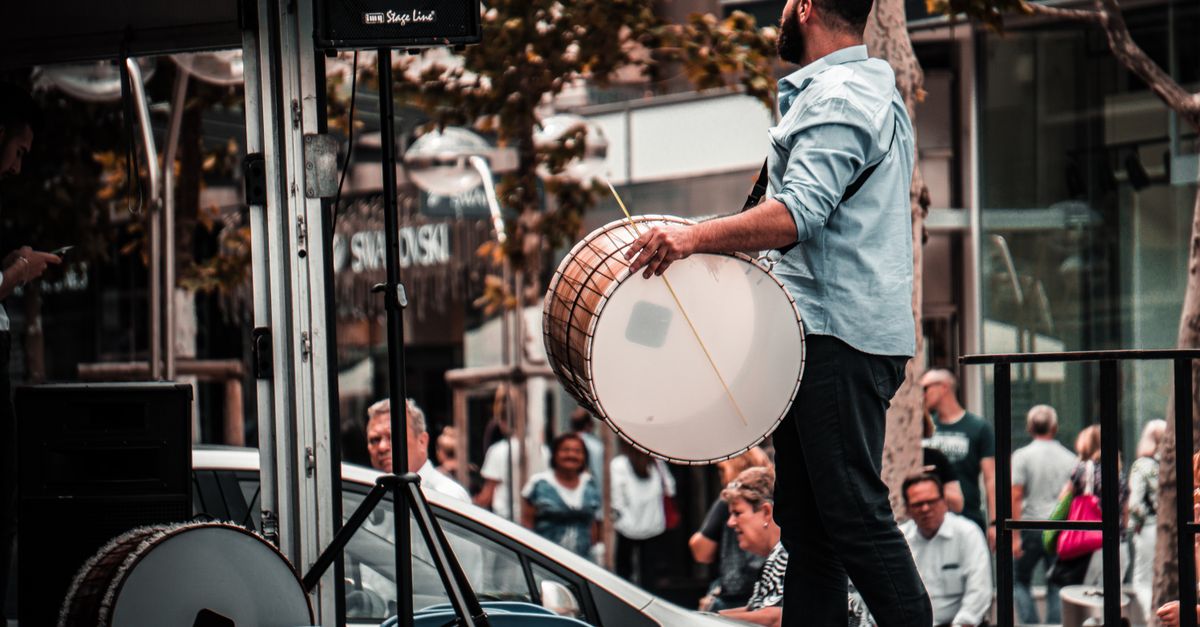
Advertisement
Voices Beyond the Spotlight
At the heart of Metropolisview City Beats And Hip Hop Stories are voices that rarely appear in official histories. Rappers describe late shifts, family businesses, school corridors, apartment rooftops, and friendships tested by distance. Their verses can be funny, blunt, vulnerable, or gloriously boastful, often within the same sixteen bars. This variety matters because urban life is not a single mood board. It includes celebration and frustration, hard lessons and ridiculous jokes. Each performer adds a different angle, transforming personal experience into a shared archive that feels immediate rather than carefully preserved behind glass.
Advertisement
The Craft of Local Storytelling
Metropolisview City Beats And Hip Hop Stories also reveals how carefully these tracks are built. Producers balance drum patterns with pauses, allowing a lyric to land like a street sign in a foggy neighborhood. Wordplay supplies double meanings, while repetition turns a memorable phrase into a communal refrain. Some artists favor dense internal rhymes; others leave space for conversational delivery. Neither approach is automatically better. The strongest songs understand their own rhythm and let technique serve the story. Even a simple hook can become powerful when it captures an emotion everyone thought was too ordinary to rhyme about.
Advertisement
Memory in Every Sample
Nostalgia gives Metropolisview City Beats And Hip Hop Stories much of its emotional weight. Older listeners may recognize a melody from a neighborhood celebration, a radio station, or a record played by parents during weekend cleaning. Younger listeners hear those references as clues to a past they inherited but did not experience firsthand. Sampling can therefore work like musical archaeology, bringing buried details back into public conversation. Yet nostalgia is not merely sentimental decoration. It can question what changed, who was left behind, and which parts of local culture deserve protection as the skyline continues to evolve.
Advertisement
Friendly Rivalries and Shared Energy
Metropolisview City Beats And Hip Hop Stories thrives on competition, but rivalry here is not always hostile. Cyphers, open-mic nights, dance battles, and producer showcases create spaces where artists challenge one another while strengthening the scene around them. A sharp verse can earn respect even from the person it playfully targets. This competitive energy encourages improvement, experimentation, and collaboration. It also gives audiences a role beyond passive listening: they react, remember lines, debate favorites, and carry songs into buses, gyms, kitchens, and late-night walks. In that ecosystem, attention becomes a form of fuel.
Advertisement
The Business of Being Heard
Metropolisview City Beats And Hip Hop Stories exists within a practical economy as well as a creative one. Artists need rehearsal spaces, affordable equipment, reliable venues, visual designers, promoters, and distribution channels. When those resources are scarce, talent alone cannot keep a scene healthy. Community studios and independent collectives can bridge the gap, offering mentorship alongside microphones. Digital platforms widen access, but they also create fierce competition for a listener’s brief attention. The challenge is to build sustainable careers without sanding away the local character that made the music worth hearing in the first place.
Advertisement
A City Told in Many Directions
Metropolisview City Beats And Hip Hop Stories is strongest when it avoids pretending that one neighborhood, generation, or accent speaks for everyone. The city’s sound may include polished studio productions, rough demos, multilingual verses, melodic choruses, and tracks recorded with equipment held together by optimism. These differences are not flaws in a unified brand; they are evidence of a living culture. Together, they show how identity can be layered rather than tidy. A listener might hear migration, faith, humor, street fashion, political frustration, and family pride sharing the same beat without asking permission from one another.
Advertisement
Why the Stories Last
The lasting power of this musical portrait comes from its balance of specificity and recognition. A line about one particular bus route can remind a listener of every journey made while tired, hopeful, or quietly plotting a better future. A local reference may seem private at first, then become a badge of belonging when others respond to it. That is how scenes grow: one detail travels farther than expected, gathering new meanings along the way. The songs remain connected to Metropolisview, yet their emotions cross borders easily. Everyone understands the wish to be seen, heard, and remembered.
Advertisement
A Rhythmic Civic Record
Taken together, Metropolisview City Beats And Hip Hop Stories forms a civic record written in rhythm, rhyme, and everyday observation. It documents neighborhoods without reducing them to scenery, and it celebrates ambition without ignoring pressure or inequality. Most importantly, it treats local music as serious storytelling rather than background noise. The beats preserve movement, while the verses preserve memory. In a city that is always rebuilding itself, those sounds offer a durable record of who lived there, what they noticed, and how they made meaning from the noise.
Advertisement
Conclusion
Metropolisview’s hip-hop culture turns ordinary streets, memories, and struggles into vivid musical narratives. Its artists combine local detail with universal emotions, creating work that can be both deeply rooted and widely relatable. Together, these songs show that a city’s history is not only found in monuments, but also in the rhythms its people create and carry forward.
Advertisement