Metropolisview: Inside Urban Hip Hop Music Culture
A City Sound in Constant Motion
Metropolisview Urban Hip Hop Music Culture turns city sound into a living archive of ambition, style, and neighborhood memory. This culture blends emceeing, DJ craft, dance, visual art, and local storytelling, showing how artists turn crowded streets, changing technology, and everyday pressure into music that feels both sharply personal and unmistakably communal.
Advertisement
Where the Beat Meets the Block
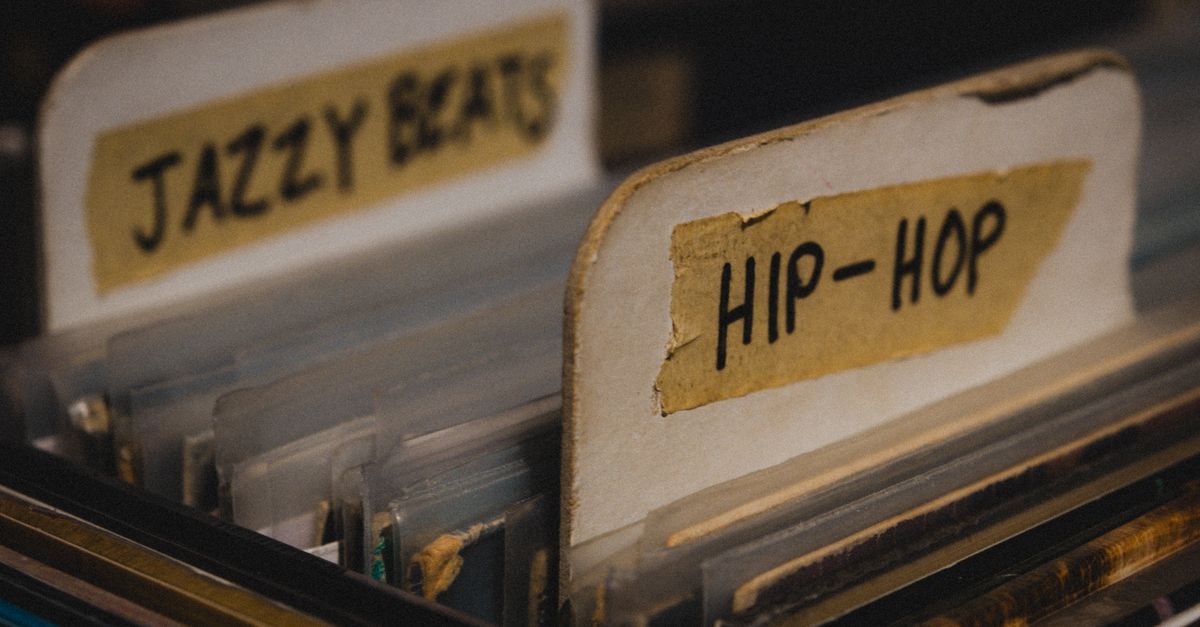
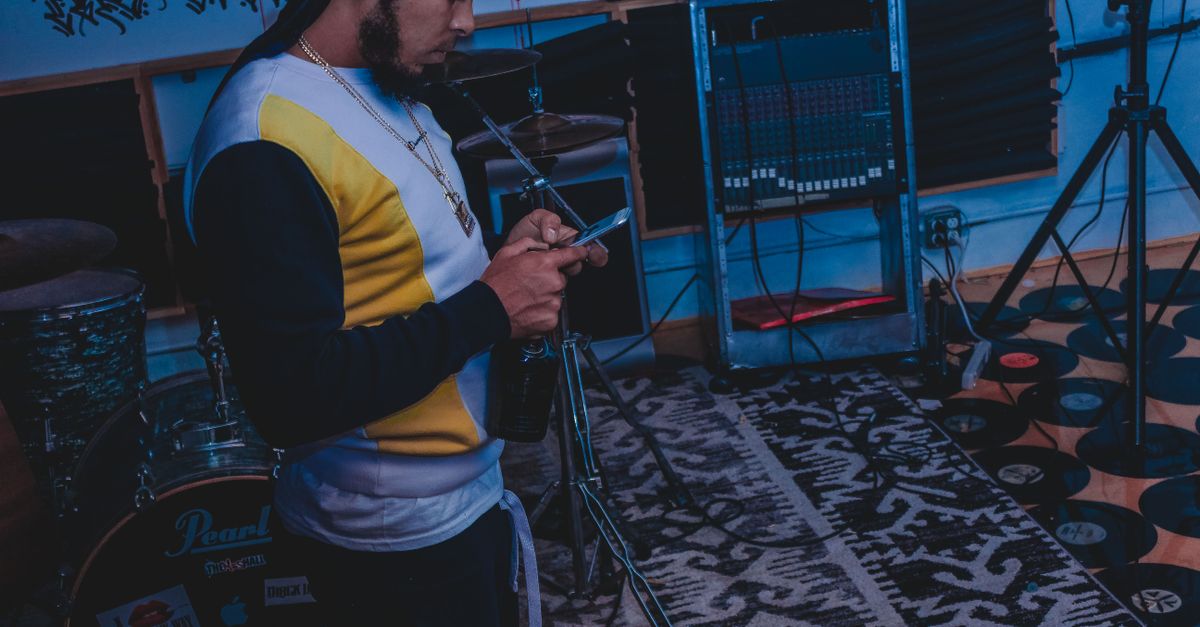
At its foundation, Metropolisview Urban Hip Hop Music Culture is rooted in place. Apartment courtyards, train stations, independent record shops, community centers, and late-night studios become informal classrooms where musical ideas circulate. A producer may sample a passing siren, while an emcee transforms a bus route into a metaphor for persistence. These details give the music its local fingerprint. Even when songs travel worldwide through playlists, their strongest images often remain tied to specific streets, accents, foods, rivalries, and memories. Geography is not merely scenery here; it is an active collaborator with a very good sense of rhythm.
Advertisement
The Four Pillars of Expression
Metropolisview Urban Hip Hop Music Culture draws strength from hip hop’s four classic pillars: rapping, DJing, breaking, and graffiti art. They do not operate as isolated categories. A rapper’s cadence can inspire a dancer’s movement, a DJ’s transition can reshape a crowd’s mood, and a mural can provide the visual language for an album. Contemporary artists also add photography, fashion, beat-making software, video editing, and spoken-word performance to the mix. The result is an unusually flexible creative ecosystem, one where a single idea can become a verse, a poster, a dance clip, and a neighborhood event.
Advertisement
Language, Identity, and Storytelling
Language gives Metropolisview Urban Hip Hop Music Culture much of its emotional force. Artists switch between slang, formal speech, regional expressions, and inherited languages to express identity with precision. Wordplay can be playful one moment and politically pointed the next, often placing humor beside hardship without pretending either one cancels the other. Storytelling ranges from personal confession to social observation: family expectations, migration, friendship, work, inequality, romance, and ambition all find room in the verse. The best writing does not simply describe a city; it reveals how living there changes the way people see themselves and one another.
Advertisement
Independent Scenes and Shared Spaces
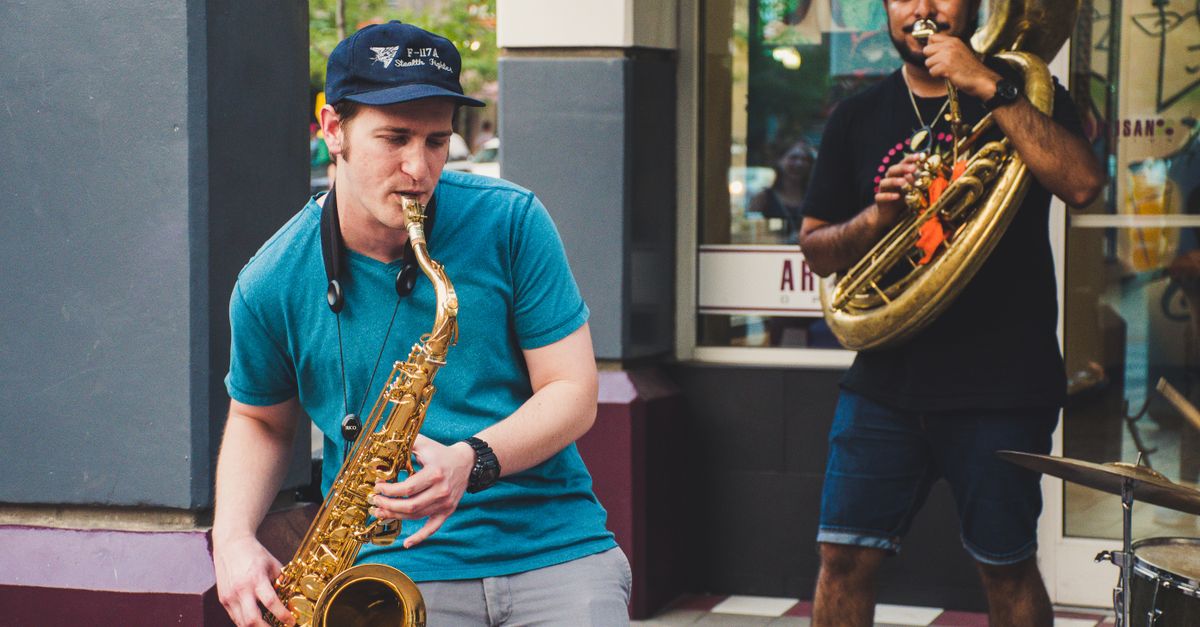
Metropolisview Urban Hip Hop Music Culture thrives through networks that are smaller than major entertainment industries but often more intimate and inventive. Open-mic nights, basement showcases, dance battles, beat sessions, podcasts, and local radio create opportunities for artists to test new material before a larger audience notices. These spaces also build trust. A developing performer receives feedback, a beginner learns stage etiquette, and an experienced DJ discovers a fresh voice. Collaboration matters more than polished branding. In many neighborhoods, the scene functions like a group project with better jackets, where everyone contributes skills, criticism, contacts, and occasionally a borrowed microphone.
Advertisement
Technology Changes the Route
Digital tools have expanded Metropolisview Urban Hip Hop Music Culture without erasing its physical roots. Affordable recording software lets artists produce tracks in bedrooms, while social platforms allow a performance filmed on a phone to reach listeners across continents. Streaming has widened access, but it has also increased competition for attention. Musicians must now think about short videos, cover art, metadata, release schedules, and direct communication with fans. This can be exhausting, yet it offers independence from traditional gatekeepers. A local artist no longer needs permission from a distant executive to publish a song, although finding an audience still requires patience, consistency, and a little algorithmic luck.
Advertisement
Fashion, Movement, and Visual Identity
The visual side of Metropolisview Urban Hip Hop Music Culture is just as important as its sound. Clothing communicates affiliation, originality, practicality, and status, from carefully styled vintage pieces to locally designed streetwear. Dance adds another language, translating percussion into physical conversation through footwork, freezes, gestures, and improvisation. Murals, flyers, album covers, and music videos extend that conversation into public space. Together, these forms create an atmosphere people can recognize before the first lyric begins. Style is not decoration applied after the music; it is part of the message, carrying history and attitude in plain sight.
Advertisement
Tensions Beneath the Celebration
Every creative community has disagreements, and Metropolisview Urban Hip Hop Music Culture is no exception. Artists may debate authenticity, commercial success, cultural borrowing, gender representation, or the responsibilities that come with public influence. Some worry that neighborhood sounds are packaged for outsiders while the communities that created them receive little credit or financial benefit. Others argue that wider exposure can fund new projects and provide valuable opportunities. These tensions are productive when addressed honestly. They encourage artists and audiences to ask who gets heard, who gets paid, whose story is being told, and whether growth is strengthening the scene or merely making it more marketable.
Advertisement
A Culture That Keeps Evolving
Ultimately, Metropolisview Urban Hip Hop Music Culture remains powerful because it connects artistic invention with lived experience. Its beats carry local history, its lyrics preserve changing identities, and its visual forms turn public spaces into shared statements. The culture welcomes experimentation while retaining a strong respect for craft, community, and originality. As technology, neighborhoods, and audiences change, its central energy remains familiar: people gathering to make meaning, claim visibility, and turn everyday life into art.
Advertisement