How Urban Hip Hop Evolved Through Modern City Life
A Sound Born From the Streets
From block parties to streaming platforms, Rhythms Of The City Urban Hip Hop Evolution traces how city life reshaped music, language and identity. What began with turntables and shared streets became a global culture, carrying local stories across neighborhoods and borders.
Advertisement
The Foundations of a New Culture
Rhythms Of The City Urban Hip Hop Evolution began in the 1970s, particularly in New York City neighborhoods facing economic hardship, neglected infrastructure and limited public resources. DJs extended the instrumental breaks of funk, soul and disco records, giving dancers more time to move and communities a reason to gather. MCs gradually added rhythmic speech over those breaks, while breakdancers and graffiti artists expanded the culture beyond music. This was not simply entertainment; it was a creative response to difficult surroundings. When formal institutions seemed distant, parks, apartment courtyards and community centers became stages, studios and meeting places.
Advertisement
The DJ as Sound Architect
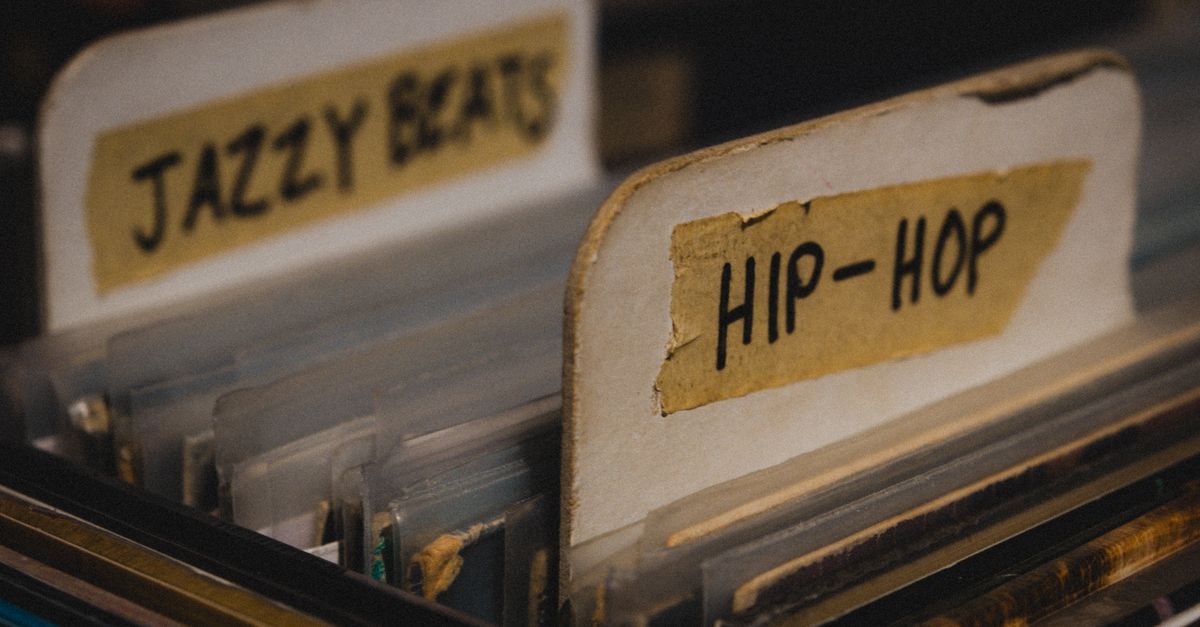
At the center of Rhythms Of The City Urban Hip Hop Evolution was the DJ, whose craft turned existing records into something strikingly new. Techniques such as looping, scratching, cutting and quick mixing transformed a brief drum passage into an extended musical foundation. The turntable became both instrument and editing suite, long before digital audio software made such work accessible. DJs also developed distinct reputations through their selections and technical skills. A party could feel different depending on who controlled the decks, much like a neighborhood café can develop a personality from its playlist, regulars and slightly overconfident barista.
Advertisement
From Local Voice to Recorded Movement
Rhythms Of The City Urban Hip Hop Evolution changed dramatically when the culture moved from live gatherings into recorded music. Early singles captured the energy of parties, but later artists used albums to explore poverty, racism, ambition, family, humor and political frustration in greater depth. Rappers developed personal styles through flow, rhyme patterns, storytelling and vocal tone. Some favored playful boasts, while others delivered sharp social commentary or intimate reflections. The microphone gave young people a way to describe their surroundings in their own language, rather than waiting for newspapers, television networks or cultural gatekeepers to explain their lives.
Advertisement
Language, Style and Everyday Identity
Rhythms Of The City Urban Hip Hop Evolution also transformed popular language. Slang, metaphors, ad-libs and inventive wordplay moved from neighborhood conversations into advertising, fashion, film and everyday speech. This influence was not merely a collection of catchy phrases; it reflected a broader shift in who was allowed to shape mainstream culture. Clothing became another form of communication, with sneakers, sportswear, bold colors and customized accessories expressing affiliation and individuality. Artists created visual identities through album covers, music videos and stage performances, proving that style could function as biography without requiring a single explanatory footnote.
Advertisement
Technology Changes the Beat
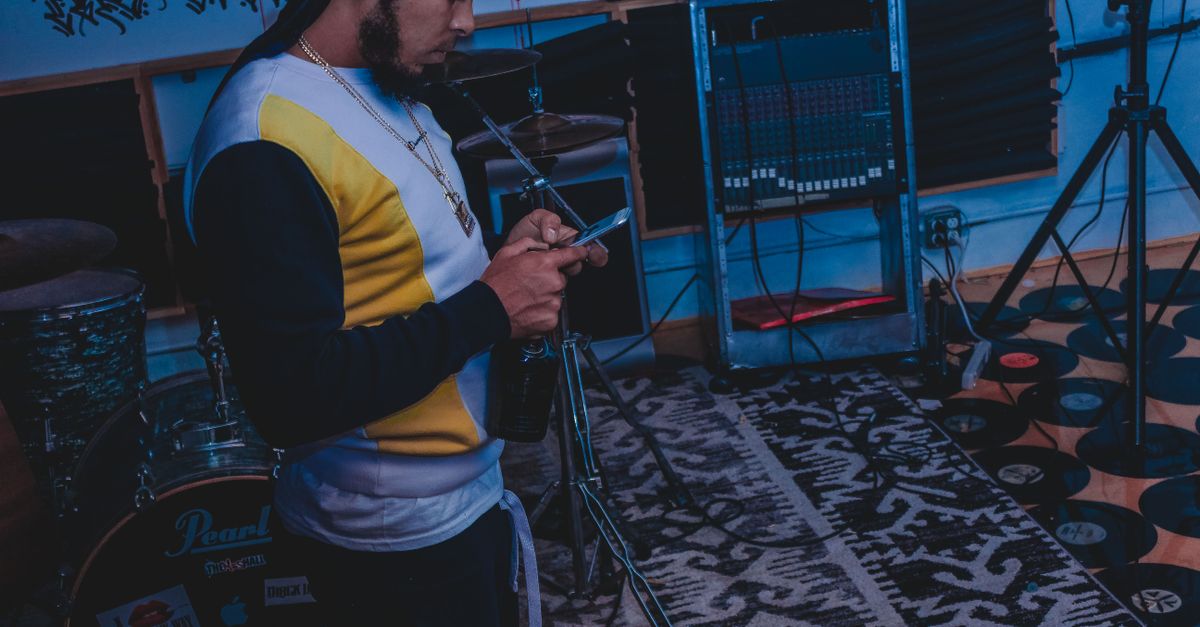
Rhythms Of The City Urban Hip Hop Evolution has always been closely connected to technology. Affordable samplers allowed producers to reshape fragments of older recordings, while drum machines introduced harder, cleaner and more controllable rhythms. Home studios later reduced the cost of making music, helping independent artists record without major-label budgets. The internet then changed discovery, promotion and collaboration. A song could travel from a bedroom in Atlanta, London or Johannesburg to listeners worldwide within hours. Digital tools widened access, although they also created new challenges: crowded platforms, unstable income and the constant pressure to release more content.
Advertisement
Community, Competition and Collaboration
The culture grew through a balance of competition and cooperation. DJs competed for the strongest sets, rappers tested one another through battles, and dancers developed increasingly technical styles. Yet these contests often strengthened community rather than weakening it, because skill earned respect and improvement benefited everyone. Crews provided friendship, mentorship and practical support, especially for young people searching for belonging. Rhythms Of The City Urban Hip Hop Evolution therefore cannot be understood only through famous performers. It also belongs to producers, dancers, photographers, promoters, designers, teachers and fans whose combined work keeps the culture active between headline moments.
Advertisement
A Global Conversation With Local Accents
As Rhythms Of The City Urban Hip Hop Evolution spread internationally, artists adapted its forms to their own histories and languages. French, Korean, Nigerian, Brazilian and British scenes, among many others, developed distinctive sounds while remaining connected to shared foundations. Local artists addressed housing, migration, political conflict, class, race and youth identity through regional perspectives. This exchange demonstrated that hip hop was never a fixed American export with a single approved accent. It became a flexible framework: recognizable enough to connect people, but open enough to carry the specific texture of almost any city.
Advertisement
The Business Behind the Expression
Success brought opportunity, but it also introduced complicated commercial pressures. Record labels, fashion companies, advertisers and entertainment platforms recognized hip hop's influence and built profitable industries around it. Artists gained larger audiences and more resources, yet some worried that market demands could soften criticism or turn authentic experiences into convenient branding. The tension remains familiar across creative fields: visibility can amplify a message, but it can also reshape that message. Contemporary performers increasingly manage their own labels, merchandise, media channels and live events, seeking greater control over both their work and their financial futures.
Advertisement
What the Next Chapter May Hold
Rhythms Of The City Urban Hip Hop Evolution continues through hybrid sounds, independent platforms and new forms of participation. Artificial intelligence, immersive performance spaces and short-form video may alter production and distribution, but technology alone will not determine the culture's direction. Its future will depend on whether artists retain room for experimentation, communities preserve pathways for newcomers and audiences value substance alongside spectacle. The most durable work will probably remain rooted in observation: sharp details about streets, families, pressure, joy and the strange comedy of trying to become yourself in public.
Advertisement
Conclusion
Rhythms Of The City Urban Hip Hop Evolution began as a community-centered response to urban change and grew into a worldwide artistic language. Its development was shaped by DJs, MCs, dancers, visual artists, technology and the everyday experiences of city residents. Even as its business and tools continue to change, its central power remains the ability to turn local realities into shared expression.
Advertisement