How Modern Cities Turned Noise Into a Living Soundtrack
A City Is More Than Its Buildings
Cities do not merely host music; they compose it. From subway platforms and apartment windows to clubs, parks, and corner shops, Urban Music Culture And The Evolution Of City Sound turns ordinary noise into shared memory shaped by migration, technology, and the daily choreography of urban life.
Advertisement
Where the Beat Began
Urban Music Culture And The Evolution Of City Sound has roots in the practical realities of crowded neighborhoods. Before streaming services and global festivals, people made music wherever space allowed: stoops, courtyards, basements, cafés, and streets. These settings encouraged informal performance and quick collaboration. A drummer could join a guitarist, a poet could answer with a verse, and an audience might become a chorus without anyone issuing an official invitation. The city’s density created accidental cultural laboratories, where styles mixed because neighbors, workers, travelers, and newcomers shared the same limited geography. In that sense, urban music was never simply placed inside a city; it was produced by the city’s constant collisions.
Advertisement
Migration Makes Sound Move
One of the strongest forces behind Urban Music Culture And The Evolution Of City Sound is migration. People carry melodies, instruments, languages, rhythms, and musical customs across borders, then adapt them to new surroundings. A traditional drum pattern may meet electronic production; a folk melody may find its way into jazz, hip-hop, dance music, or pop. Food, fashion, and music often travel together, creating neighborhoods where cultural identity can be heard as clearly as it can be seen. This exchange is rarely one-directional. Local musicians borrow from newcomers, newcomers respond to local influences, and both groups create something that belongs entirely to neither past nor place. The result is not cultural dilution but musical reinvention.
Advertisement
Technology Changes the Neighborhood
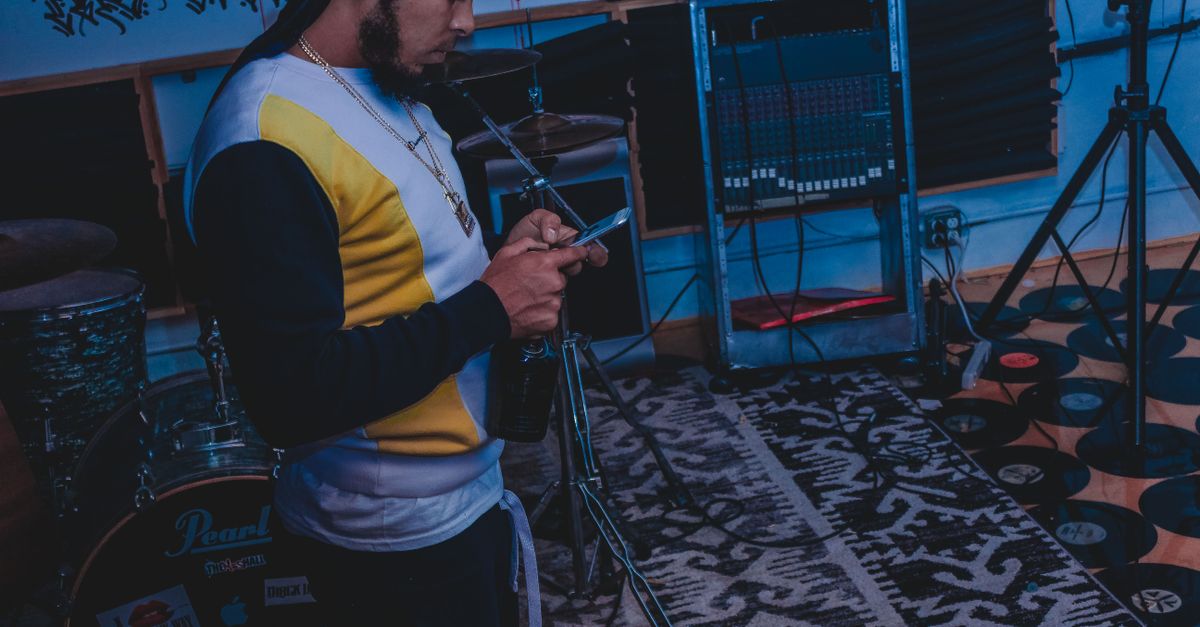
Urban Music Culture And The Evolution Of City Sound also reflects changing tools. Radio once connected separate districts, allowing a local style to reach a citywide audience. Affordable samplers and drum machines later gave bedroom producers the power to build dense soundscapes without expensive studios. Digital audio workstations turned laptops into portable recording rooms, while smartphones made every street performance potentially shareable. Technology has lowered many barriers, but it has also altered how artists think about place. A producer can sample a train announcement, a market seller, or the echo beneath a bridge and transform that sound into a rhythmic signature. The city becomes both subject and instrument, with its mechanical hum supplying raw material.
Advertisement
Public Space Has a Rhythm
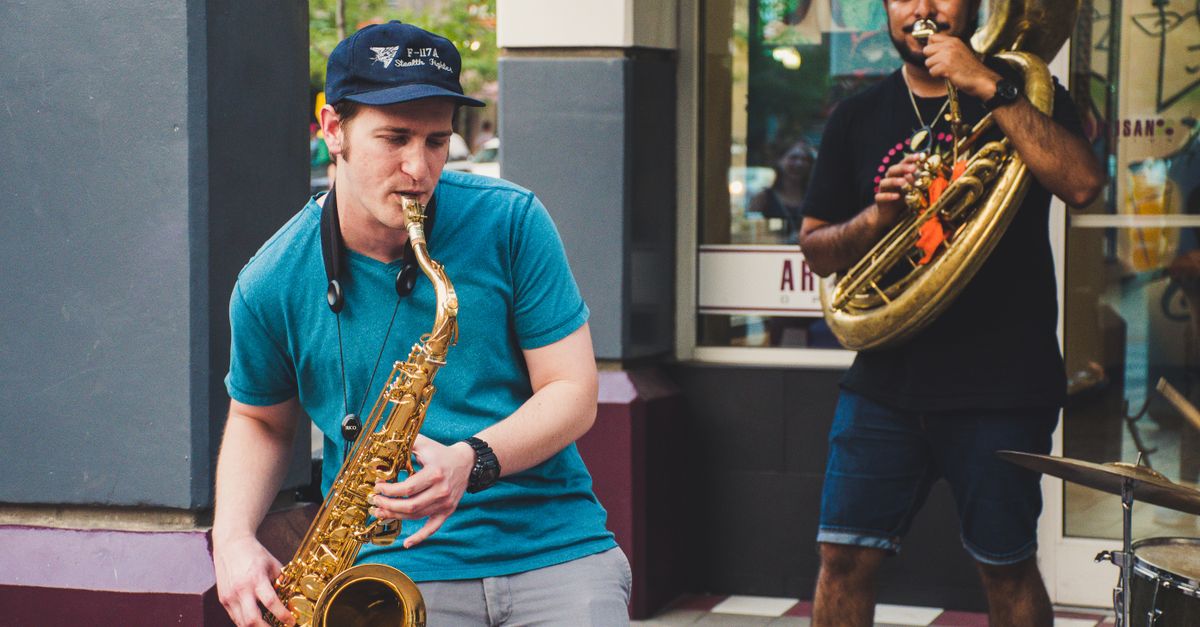
Parks, plazas, transit stations, rooftops, and sidewalks remain central to Urban Music Culture And The Evolution Of City Sound because public space encourages participation. A concert hall usually separates performers from listeners; a street performance allows the relationship to change minute by minute. Passersby can stop, dance, contribute money, film a moment, or simply carry the sound into another part of town. These encounters make music feel less like a product and more like a civic event. Yet public sound can also create conflict. Residents may welcome a lively square during the day but resent amplified bass late at night. The debate reveals that city sound is shared property, and shared property always requires negotiation.
Advertisement
Clubs, Scenes, and Belonging
Nightlife has given Urban Music Culture And The Evolution Of City Sound some of its most recognizable forms. Clubs and underground venues provide places where people test new ideas, build friendships, and create identities that may not fit comfortably elsewhere. A scene can form around a genre, neighborhood, fashion, dance style, or political mood, but it usually depends on regular physical contact. The familiar faces matter as much as the music. Promoters, DJs, dancers, photographers, sound engineers, and bartenders help sustain a cultural ecosystem that outsiders may notice only after it becomes fashionable. By then, the original community may already be facing rising rents, stricter regulations, or the disappearance of its favorite venue.
Advertisement
Money, Space, and Cultural Survival
Urban Music Culture And The Evolution Of City Sound cannot be separated from economics. Musicians need rehearsal rooms, affordable housing, recording facilities, and places to perform, yet these resources are often threatened by redevelopment. As neighborhoods become more expensive, the very communities that made them culturally attractive can be pushed elsewhere. Commercial success may provide visibility and income, but it can also flatten a distinctive sound into a marketable formula. Streaming platforms widen access while paying creators unevenly, and algorithms tend to reward familiar patterns over patient experimentation. Sustainable city music therefore depends on more than talent. It requires affordable space, fair compensation, supportive local policy, and audiences willing to value originality before it becomes profitable.
Advertisement
The Digital City Never Sleeps
Online platforms have extended Urban Music Culture And The Evolution Of City Sound beyond physical boundaries. A track recorded in one neighborhood can reach listeners on another continent within minutes, while online communities allow artists to collaborate without sharing a rehearsal room. This global reach has created new hybrids and accelerated musical exchange. It has also made local scenes harder to define. A sound once associated with a particular street or district may now be copied, remixed, and detached from its origins almost instantly. Still, the physical city remains important. Digital attention often grows from live credibility, and an online audience cannot fully reproduce the energy of bodies moving together in a crowded room.
Advertisement
Sound as Urban Memory
Urban Music Culture And The Evolution Of City Sound preserves histories that official records often overlook. A neighborhood anthem can remember a closed factory, a vanished club, a protest, a beloved market, or a generation’s experience of arriving somewhere new. Lyrics may document policing, inequality, romance, work, humor, and survival with an immediacy that formal reports rarely possess. Even instrumental music can carry geography through tempo, texture, and atmosphere. The distant horn, rattling train, or reverberant tunnel becomes an audible landmark. Listening closely can reveal how residents understand their surroundings—not as neutral architecture, but as a collection of emotional places connected by rhythm.
Advertisement
What Comes Next
Urban Music Culture And The Evolution Of City Sound is moving toward an even more layered future. Artificial intelligence, immersive audio, interactive performances, and accessible production software will give artists new ways to manipulate location and time. A song might respond to a listener’s movement through a neighborhood, or a public installation might blend live performers with environmental recordings. These innovations will be meaningful only if cities protect the human communities that generate creative ideas. The future should not consist solely of frictionless digital access; it should also preserve surprise, imperfection, local language, and the communal energy of being physically present. The best new sounds will probably emerge where advanced tools meet very old needs: expression, recognition, and belonging.
Advertisement
The Soundtrack We Share
Cities shape music because they bring difference, movement, pressure, and possibility into close contact. Urban Music Culture And The Evolution Of City Sound grows through migration, public space, technology, nightlife, and the memory held in everyday noise. Its future depends on protecting creative communities as carefully as celebrating successful artists. When cities make room for both experimentation and belonging, their sound remains restless, generous, and unmistakably alive.
Advertisement