Urban Beats: City Stories That Move With the Crowd
A City Has a Rhythm
Urban Beats City Stories In Motion captures the pulse of neighborhoods where music, movement, and memory meet. From subway platforms to rooftop gatherings, city sound becomes a living map of identity, shaped by local voices, unexpected rhythms, and the daily choreography of urban life together.
Advertisement
Where the Sound Begins
Every city develops its own musical personality, although it rarely arrives fully formed. It grows from migration, work, celebration, protest, and the simple habit of people making noise together. A busker under a railway bridge, a drum circle in a public square, or a teenager practicing beats beside a basketball court can all become part of the same cultural conversation. These sounds reveal how communities adapt available spaces for expression. An empty lot becomes a dance floor; a stairwell becomes an acoustic chamber; a corner shop becomes an unofficial concert venue. Urban Beats City Stories In Motion begins with this transformation, showing that culture often flourishes wherever people are willing to gather.
Advertisement
Public Spaces Become Stages
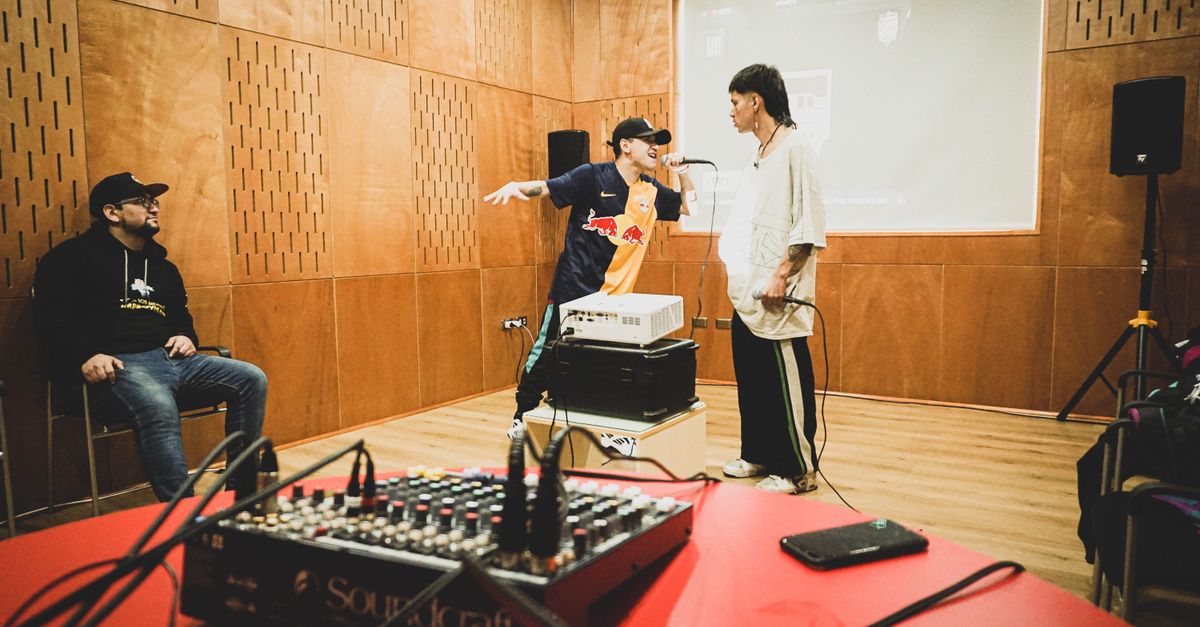
The most compelling city stories often unfold outside formal venues. Parks, markets, underpasses, and train stations provide open stages where performers meet audiences who did not necessarily buy a ticket or plan to attend. That accidental quality gives urban music its spark. A commuter may pause for a saxophone solo, while a vendor keeps time with a metal shutter and a child attempts a very enthusiastic dance nearby. Urban Beats City Stories In Motion reflects this democratic energy, where participation matters as much as polish. Public performance can also challenge assumptions about who belongs in a place, replacing silent passage with shared experience and turning ordinary infrastructure into a communal landmark.
Advertisement
Movement Tells Its Own Story
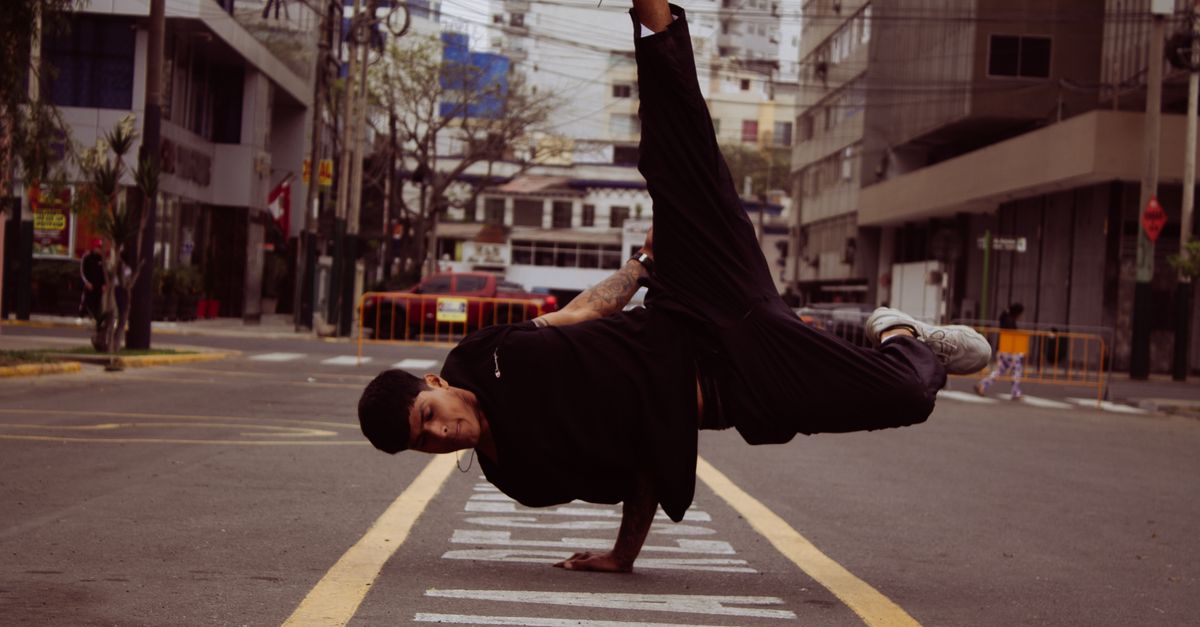
Music is only one part of the urban picture. Bodies respond to it through walking, skating, dancing, cycling, and the subtle choreography of avoiding three people who have suddenly stopped in the middle of a pavement. These movements express mood and belonging. A neighborhood’s style may appear in the footwork of a street dancer, the coordinated gestures of a marching band, or the relaxed confidence of people gathering outside a late-night café. Urban Beats City Stories In Motion treats movement as a language with its own grammar. Fast tempos suggest urgency, repeated routes suggest routine, and improvised gestures reveal the freedom people claim within crowded surroundings.
Advertisement
Local Voices, Wider Echoes
City culture is never completely local or completely global. Sounds travel through family histories, radio broadcasts, social platforms, clubs, festivals, and inexpensive headphones. A rhythm developed in one district may appear in another city thousands of miles away, changed by new instruments and new experiences. The exchange can be generous, but it also requires attention to origin and credit. Urban Beats City Stories In Motion highlights the people behind the sound: producers working from modest bedrooms, singers carrying stories between languages, and community organizers creating events with more enthusiasm than budget. Their work demonstrates that cultural influence is strongest when it remains connected to real lives rather than becoming a decorative trend.
Advertisement
Technology Changes the Tempo
Digital tools have altered how urban stories are recorded, shared, and remembered. A phone can capture a spontaneous performance before the crowd disperses, while inexpensive software allows beginners to produce tracks in bedrooms, libraries, or shared apartments. Online platforms can connect a neighborhood artist with listeners far beyond the original street corner. Yet technology does not replace place; it often makes place more visible. Urban Beats City Stories In Motion follows this tension between physical experience and digital circulation. A clip may travel quickly, but its meaning still depends on the pavement, architecture, weather, language, and people that gave the moment its character. The cloud has reach, but the street supplies the soul.
Advertisement
Memory Lives in the Mix
Music helps cities remember themselves. Certain songs become attached to a summer, a parade, a venue, or a changing skyline. Older residents may recognize a melody from a former dance hall, while younger listeners sample it into something entirely new. This layered history prevents urban culture from becoming a museum display. It remains active, argumentative, and occasionally gloriously loud. The stories gathered through Urban Beats City Stories In Motion show how memory passes between generations without staying unchanged. A familiar chorus can carry grief, pride, humor, or homesickness, sometimes within the same verse. In that sense, a city’s soundtrack is also an archive, preserving emotions that official records often overlook.
Advertisement
The Business of Belonging
Behind every lively scene is an economy, whether modest, informal, or carefully organized. Performers need equipment, venues need staff, and audiences need affordable ways to participate. Independent cafés, record shops, rehearsal rooms, clothing makers, photographers, and event crews all contribute to a creative ecosystem. When local investment supports these networks, cultural activity can create jobs while strengthening neighborhood identity. When rising costs push artists away, a scene may lose the very spontaneity that made it attractive. Urban Beats City Stories In Motion therefore presents culture as more than entertainment. It is also labor, entrepreneurship, collaboration, and a continuing negotiation over who can afford to remain part of the story.
Advertisement
Noise, Conflict, and Change
No urban soundscape is free from disagreement. Residents may welcome a festival but dislike its late-night volume; authorities may celebrate public art while restricting the gatherings that produce it. Such conflicts expose competing ideas about safety, comfort, ownership, and freedom. They also show why cultural planning works best when communities are treated as participants rather than background scenery. The strongest solutions tend to protect quiet hours without silencing expression, provide suitable spaces without isolating performers, and recognize that a lively neighborhood should not become a branding exercise with better lighting. Urban Beats City Stories In Motion embraces these tensions because real city life is rarely edited into a perfectly harmonious playlist.
Advertisement
The Future Keeps Moving
The next chapter of urban culture will likely be more hybrid, collaborative, and geographically fluid. Live events may combine physical audiences with remote participation, while artists use immersive visuals, portable instruments, and community archives to connect past and present. Still, the essential ingredient will remain human attention: someone listening, responding, and deciding that a shared moment matters. Urban Beats City Stories In Motion points toward a future in which city identity is not imposed from above but built through countless small acts of creativity. The result may be messy, multilingual, and impossible to package neatly, which is precisely why it can feel alive.
Advertisement
A Living Cultural Map
Urban Beats City Stories In Motion reveals that a city is more than buildings, roads, and official landmarks. Its deepest character appears in the sounds people make, the routes they repeat, the spaces they reclaim, and the memories they pass along. Music and movement turn everyday surroundings into places of recognition and connection. Together, they create a living cultural map that keeps changing while remaining rooted in human experience.
Advertisement