How Cities Turn Everyday Lives Into Hip Hop History
Where the City Becomes a Character
From subway platforms to rooftop rehearsals, cities have always supplied hip hop with its richest raw material: movement, memory, conflict, and community. Urban Hip Hop City Stories captures how local streets become characters, how ordinary voices become archives, and how rhythm turns overlooked corners into places with cultural gravity and lasting meaning.
Advertisement
Concrete, Transit, and Creative Energy
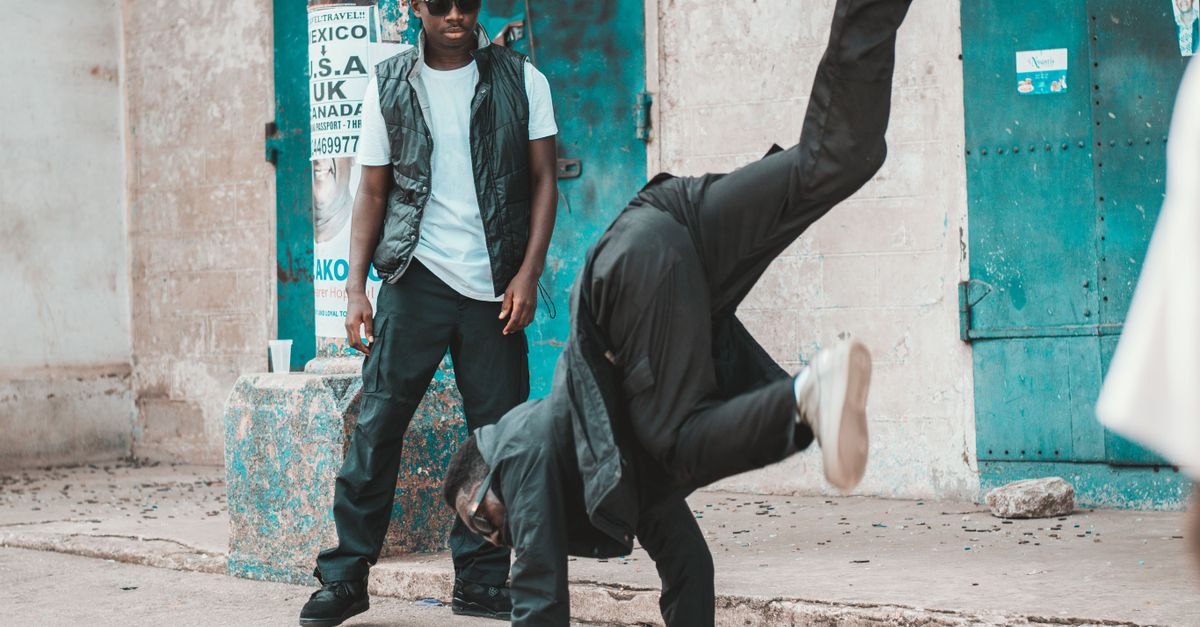
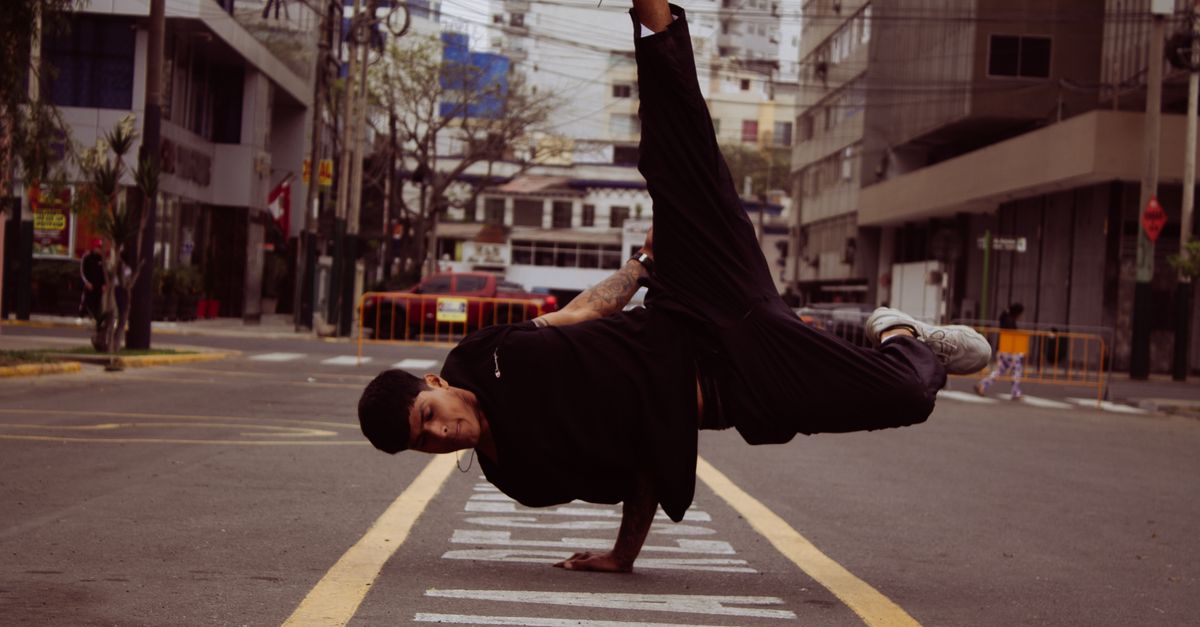
Urban Hip Hop City Stories begins with geography, because location is rarely a backdrop in hip hop. A train line can divide neighborhoods, a basketball court can serve as a community noticeboard, and a corner shop can become an unofficial newsroom. The city’s physical design influences who meets, who listens, and who gets heard. Underpasses offer shelter from rain and judgment; rooftops provide distance from the noise below; parks create stages where talent can appear without an invitation. These spaces are practical, but they are also symbolic. They show how creativity often grows in places that were never designed for art. A cracked wall, a borrowed microphone, or a beat played through tired speakers can become part of a neighborhood’s cultural architecture.
Advertisement
Local Voices and Living Archives
At the heart of Urban Hip Hop City Stories are people who turn experience into testimony. Rappers describe rent increases, family expectations, school corridors, police sirens, late shifts, friendships, and ambition with a precision that official records often lack. Their verses preserve accents, slang, jokes, arguments, and small details that might otherwise disappear. This is not history written from a distant mountaintop; it is history recorded at street level, sometimes with muddy shoes. One song may document a vanished club, while another remembers a block before redevelopment changed its character. Together, these accounts form a living archive. They reveal not only what happened, but also how residents felt while it was happening—and feelings, inconveniently for spreadsheets, are often the most memorable evidence.
Advertisement
From Block Parties to Digital Neighborhoods
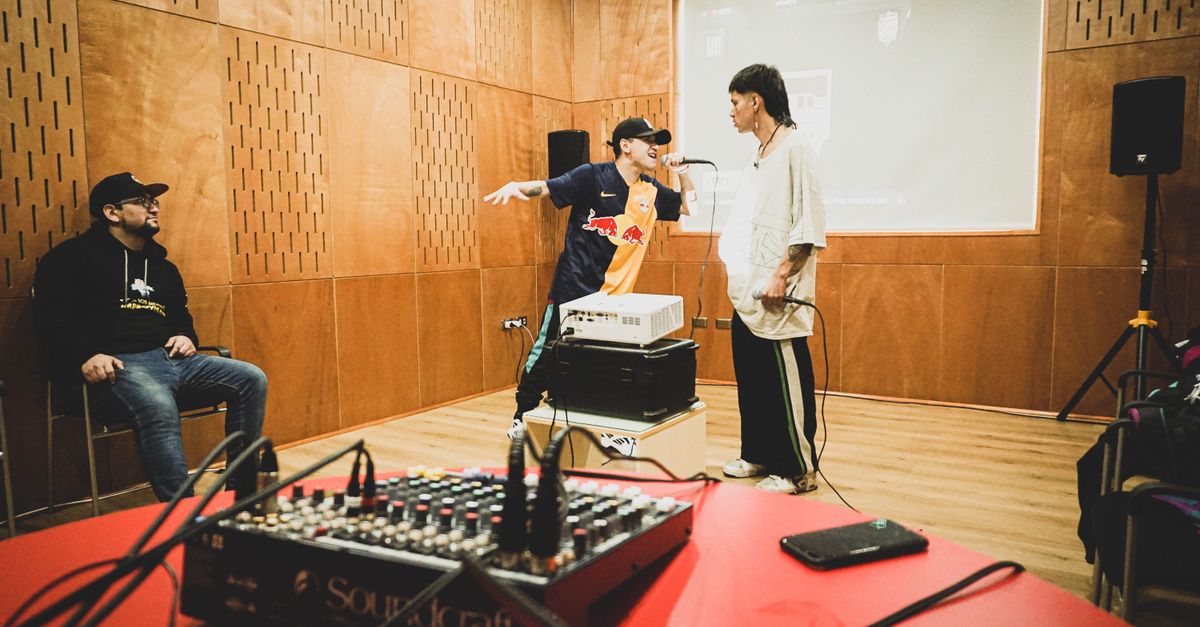
Urban Hip Hop City Stories also follows the evolution of gathering places. Early block parties depended on sound systems, extension cables, borrowed electricity, and a willingness to annoy at least one nearby resident. DJs created shared spaces where dancers, writers, MCs, and curious neighbors could participate without needing formal credentials. Today, those circles may extend through livestreams, group chats, independent platforms, and short videos. Digital tools allow artists from distant cities to exchange styles within minutes, yet local identity remains important. A performer can reach a global audience while still writing about one bus route, one apartment building, or one particular summer. Technology expands the map, but it does not erase the street address. In many cases, it gives overlooked neighborhoods a larger microphone.
Advertisement
The Sound of Change and Displacement
Urban Hip Hop City Stories becomes especially revealing when cities begin to change quickly. New towers, luxury developments, rising rents, and polished entertainment districts can bring investment while pushing longtime residents away from familiar streets. Hip hop often records this tension before planners or newspapers find the right language for it. Artists notice which stores close, which murals are painted over, and which old gathering spots become private property. Their work can sound nostalgic, but nostalgia is not always a desire to live in the past. Sometimes it is a demand to remember who built a community before its image became profitable. The beat may remain celebratory, yet the lyrics quietly ask who benefits from progress and who is expected to make room for it.
Advertisement
Style as a Map of Belonging
In Urban Hip Hop City Stories, fashion, dance, language, and visual art function as forms of navigation. A particular jacket, cadence, hand gesture, or phrase can identify a neighborhood faster than a road sign. These signals help young people find one another and establish belonging in environments that may otherwise feel anonymous. They also carry influences from migration, family heritage, television, local sports, and neighboring scenes. Cultural exchange is rarely tidy; styles borrow, remix, and occasionally argue with one another. That friction can be productive. It allows a city’s identity to remain unfinished rather than sealed behind a souvenir shop logo. The result is a culture that tells residents, in practical and creative ways, that they have the right to take up space.
Advertisement
Why Small Stories Matter
The power of Urban Hip Hop City Stories does not depend solely on famous artists or landmark albums. A teenager freestyling outside a station, a producer working in a bedroom, and a dancer practicing in a community center all contribute to the wider narrative. Small stories matter because cities are experienced through repeated, ordinary moments: waiting for a delayed train, sharing headphones, arguing over a bass line, or finding confidence at an open mic. These moments build creative ecosystems long before institutions recognize them. They also challenge the idea that culture arrives fully formed from somewhere else. Often, it is assembled locally, piece by piece, by people who may not call themselves historians but understand that memory deserves a beat.
Advertisement
The Business of Cultural Recognition
Recognition can bring opportunity, but it can also complicate the relationship between artists and the places that inspired them. Festivals, brands, streaming services, and tourism campaigns increasingly use hip hop’s visual language to make cities appear youthful and authentic. That attention can fund studios, create jobs, and preserve venues. It can also flatten complicated communities into marketable scenery. Urban Hip Hop City Stories therefore asks audiences to look beyond the mural and the promotional slogan. Who receives payment? Who controls the story? Are local artists credited, or are their ideas treated as public property? Respectful cultural development involves more than borrowing an aesthetic. It requires investment in people, spaces, education, and the long-term ability of communities to tell their own stories.
Advertisement
A Future Written in Many Rhythms
The next chapter of urban hip hop will likely be shaped by both continuity and experimentation. Artists are blending regional sounds, electronic production, spoken word, dance, animation, and documentary techniques in ways that make old categories feel pleasantly cramped. At the same time, local concerns remain stubbornly present: housing, climate pressure, public safety, migration, work, and the search for dignity. Urban Hip Hop City Stories will continue to matter because it connects these broad issues to recognizable faces and places. A policy debate may explain a trend, but a verse can make that trend feel personal. The strongest city narratives do not pretend that neighborhoods are perfect. They show contradiction, humor, struggle, invention, and the stubborn talent of people making something meaningful with what they have.
Advertisement
Conclusion
Urban Hip Hop City Stories shows that hip hop is inseparable from the cities that nurture it. Streets, transit lines, venues, digital spaces, and everyday voices preserve histories that might otherwise be ignored. As neighborhoods change, the culture remains a powerful way to question ownership, celebrate belonging, and keep local memory moving. Its deepest rhythm is the continuing conversation between people and place.
Advertisement